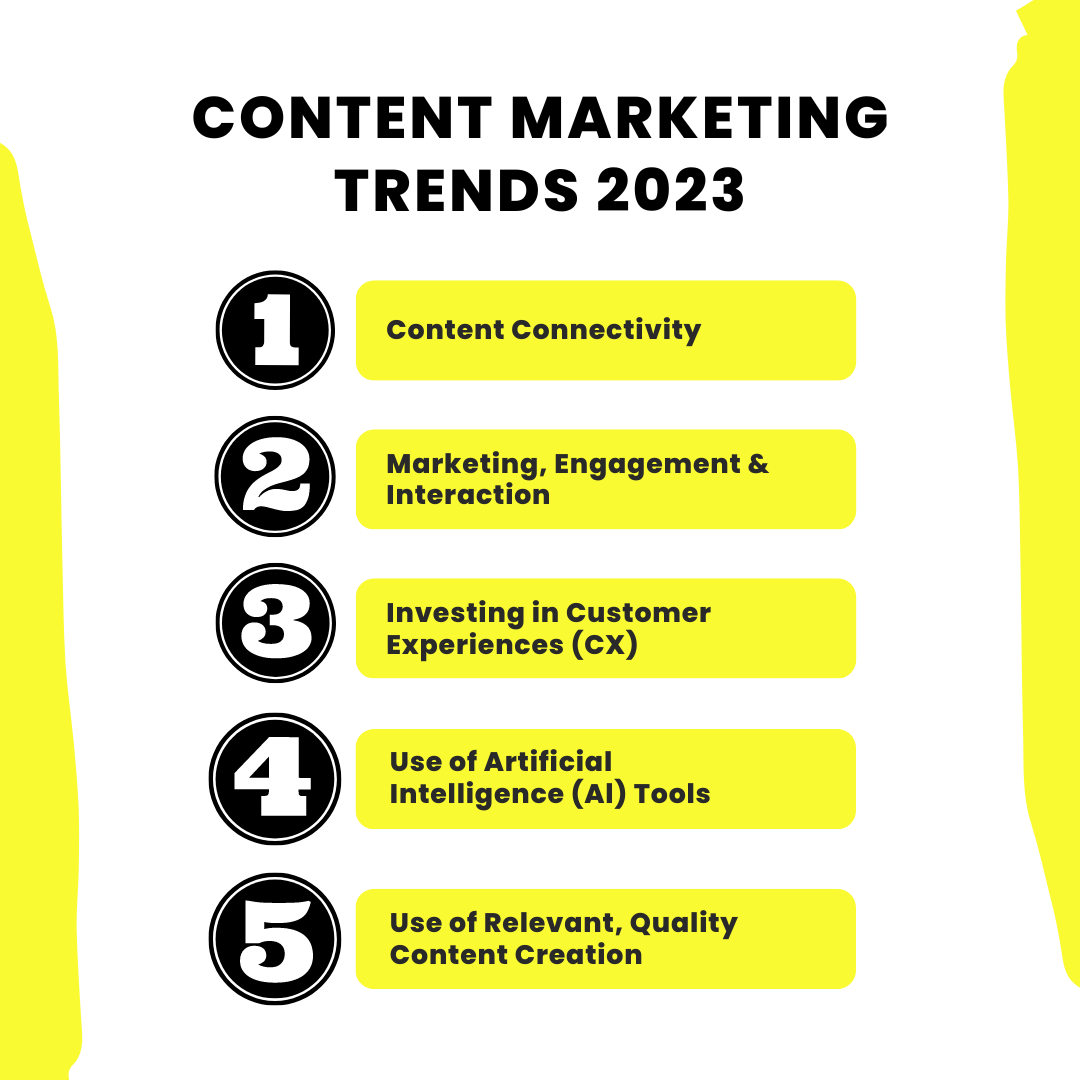
5 Key Content Marketing Trends for 2023

Content marketing trends have been on the simulation in every possible scenario, believe it or not. The philosophy is basically organizing gaps in the market you can fill with operations until you get a semblance of firm grounding. This concept applies in logistics throughout the e-commerce stream, active market, fintech, etc. 

However, the real key lies in visualizing an Al-powered robot that doesn’t have any human control. It may be able to run for a while, but there would be no actual sensory feedback that can be acted upon. Hence, you need people, and only people can define marketing trends that can determine the failure or success of your marketing campaign. 

This is where the definition of crucial content marketing trends for 2023 have been interpreted which you can head on in your business as the specific landing touch points for a successful run!

#Trend 1 – Content Connectivity

People want to see the brand in all its truffles and glory. They want the inside story and how best you can present your content on different socials with equal engagement. So, if everything is opportune, there will be a drive in conversions and leads for your marketing audit. More to the point, potential brand loyalists would want to immerse themselves in an e-communal environment where they are able to communicate freely with you.

The following are some of the few expert ideas that you can commit to content-wise on socials:

Be empathic – You don’t want to approach a direct stance where you are only interested in selling your brand as a priority, but rather integrating your performance levels by tapping into the audience’s mindset. You should gauge current circumstances and be considerate of your consumers’ interests. There is nothing worse than a content-savvy deviating away from the acceptable content design, just because of ulterior motives.

  • Use context – Simply put – Combine your content creatives knowledge with context building! You should reveal a vast array of content that depicts a sound brand seller who actually knows what the customer wants in a specific segment. This will help to leverage the brand in the marketplace and build trust.
  • Collaborate with the audience – Consider your audience to be a potential co-creator and be surprised! There is nobody who knows brand mentality best than the people you sell to. It is recommended to do one of these social visits where you can pick up on new requests spiking up within a segment. 
  • Establish two-way communication engagingly – You won’t be remembered if you only engage on socials once! According to HubSpot, social media is ranked as the most popular marketing platform for 44% of marketers, which says a lot about how much we should use social to create impressions. 

#Trend 2 – Marketing, Engagement & Interaction

When we confront the facts, traditional marketing techniques feel one-sided and impersonal at best. But when we enter the world of interactive marketing, engagement, and creativity are at the forefront of every campaign

Interactive marketing is all about connecting with your audience in a meaningful way, using tools such as social media, gamification, and personalized content to create an immersive and memorable experience. By involving the customer in the marketing process, you can build stronger relationships, generate buzz, and drive more sales.

Imagine a social media campaign that invites users to share their own photos and stories related to your brand, or a mobile game that rewards players with discounts or exclusive products. The possibilities are endless, and the results can be truly game-changing.

Benefits of Interactive Marketing:

  • Improved Conversion Rates: Interactive marketing allows potential customers to make purchases quickly, thanks to effective calls-to-action, such as “purchase now” or “add to cart” buttons on digital ads or websites.
  • Enhanced Audience Engagement: Engage your audience by providing a unique experience through tactics like personalized content, online quizzes, and interactive videos. If your audience is delighted, they’re more likely to become loyal and share your business with others.
  • Immediate Feedback: With interactive marketing, you can quickly gather feedback from your audience through quizzes and polls. This feedback allows you to improve your products, website navigation, and overall customer experience, which is crucial to success and winning smartly.

#Trend 3 – Investing in Customer Experiences (CX)

Investing in customer experience is not just a smart move, it’s essential in today’s highly competitive business world. Customers have more options than ever before, and their loyalty can be hard to earn and easy to lose. By investing in customer experience, businesses can create meaningful connections with their customers, build brand loyalty, and ultimately drive growth. So, whether you’re just starting out or looking to take your business to the next level, investing in customer experience is a strategic decision that can pay off in spades.

Why Should I Invest In Customer Experience (CX)?

  • Investing in customer experience (CX) can improve customer satisfaction, loyalty, and retention, leading to increased profitability which is partially attributed to positive word-of-mouth and top-of-the-line reviews.
  • Margin investments can reap benefits double-fold in the future as a further pro tip. 
  • A strong CX strategy can differentiate a business from its competitors, creating a competitive advantage in the market.
  • CX can provide valuable insights into customer behaviour and preferences, which can inform business decisions and improve product offerings.
  • In today’s digital age, a strong online CX is essential for success, and investing in technology and digital channels can enhance CX, improving the customer journey and driving business growth.

#Trend 4 – Use of Artificial Intelligence (Al) Tools

In the world of content marketing, the race to engage customers and stand out from the competition is relentless. Fortunately, Artificial Intelligence (AI) is providing marketers with powerful tools to gain an edge. With AI-powered chatbots, personalization algorithms, and predictive analytics, marketers can create and deliver highly targeted content that resonates with their audience. The result? More efficient campaigns, increased engagement, and better ROI.

  • AI can help you understand customers and create highly personalized recommendations and messages.
  • AI can automate small content requirements such as generating data-specific content for social media posts, brief reports, news updates, and notifications.
  • AI can generate fresh keywords and topics for content creation and improve SEO results.
  • AI can improve the performance of social media content by analyzing customer behaviours, sentiments, and preferences.
  • AI-powered chatbots can enhance customer experience and improve the customer buying journey by providing relevant information and eliminating delays in response.

#Trend 5 – Use of Relevant, Quality Content Creation

Relevance marks high in the Google agenda as if Google were a person. The Google Engine will sift through tons of criteria before categorizing your published content in terms of quality, SEO, and premier data which match up to relevance in a Search Engine Results Page. You might have potent statistics and a strong KPI but you may be lacking in a ‘brand edge’ which ultimately affects your conversions. 

Content calendars mark as progressive so each phase will have upgraded, unique content that wasn’t experienced prior. Hence, it is always recommended to screen content on a regular basis or modify your marketing strategy to meet new conversion rates.

As we look towards 2023, the world of content marketing is evolving rapidly, with new technologies and consumer preferences shaping the landscape. From interactive marketing to investing in customer experience, businesses must stay ahead of the curve to capture the attention of their target audiences. It’s no longer just about creating content, but also about building meaningful connections with customers through empathy, collaboration, and personalization. By leveraging the power of AI, businesses can enhance their marketing strategies, while also embracing social media as a key engagement platform. As we move forward, staying up-to-date with these key content marketing trends will be essential for success in 2023 and beyond.

So, to upgrade your B2C content marketing strategies, contact us for information about our services!

Got questions? Reach out to us

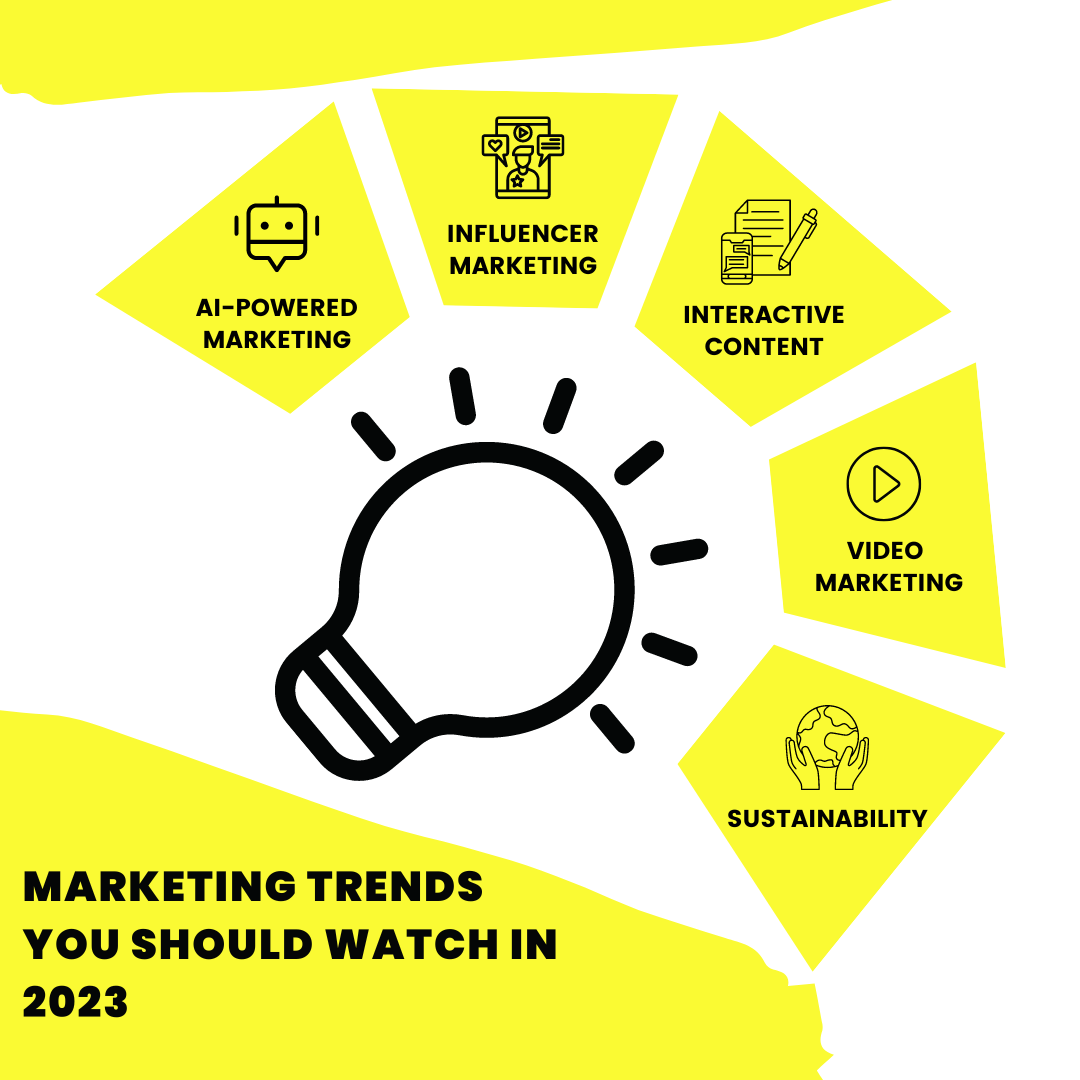
Marketing Trends You Should Watch in 2023

Marketing is a constantly evolving field, with new technologies, techniques, and trends emerging each year. With customers today expecting brands to provide them with a personalized, exceptional experience across all channels, it’s imperative that brands keep a close tab on current and upcoming trends in order to efficiently adapt them into their marketing strategies.

Here are the top marketing trends brands should watch in 2023 –

AI-powered Marketing

Artificial intelligence (AI) has been transforming the marketing industry over the past few years. By analyzing vast amounts of customer data, AI algorithms can identify patterns and trends in customer behavior and preferences, allowing marketers to develop customized content that resonates with their target audience.

Chatbots are another AI-powered marketing tool that is set to become increasingly popular in 2023. Chatbots can be used to provide customers with instant support and assistance, helping to improve customer satisfaction and drive sales. They can also be used to gather valuable customer data, providing marketers with insights into customer preferences and pain points.

Ground-breaking advances in Conversational AI Chatbots have recently resulted in a whole paradigm shift. Disruptive techs like Open AI’s ChatGPT and the heavily scrutinized Microsoft’s Bard are on their road to amaze and rattle every sector with both their brilliance and seeming potential to wipe out a variety of jobs.

Influencer Marketing

Influencer marketing has been a popular trend in recent years, and it shows no signs of slowing down in 2023. Influencers are individuals who have built up a following on social media, and they can be used by marketers to promote products and services to their followers.

Influencer marketing is particularly effective among younger consumers, who tend to be skeptical of traditional advertising. By partnering with influencers who are popular among their target audience, marketers can reach potential customers in a more authentic and relatable way.

In 2023, we can expect to see more brands incorporating influencer marketing into their overall marketing strategy. However, it’s important to note that as influencer marketing becomes more common, consumers are becoming more discerning about who they choose to follow and trust. Marketers will need to be careful to choose influencers who align with their brand values and messaging, and who have a genuine connection with their audience.

Helpful Read – Why Your Brand Needs Influencer Marketing?

Interactive Content

Interactive content is content that engages the viewer and encourages them to take an active role in the experience. Examples of interactive content include quizzes, polls, and games.

Interactive content is particularly effective at capturing and retaining the attention of viewers, making it a valuable marketing tool. In 2023, we can expect to see more brands incorporating interactive content into their marketing campaigns, particularly on social media.

Interactive content can also be used to gather valuable customer data. By incorporating polls and quizzes into their campaigns, marketers can gain insights into customer preferences and pain points, allowing them to develop more targeted and effective marketing campaigns.

Helpful Read – Guide To Ace Your Content Marketing Efforts With Amazing Content

Video Marketing

Video marketing has been growing in popularity for several years, and it’s set to continue to be a key marketing trend in 2023. Video is a highly engaging and versatile medium that can be used to promote products, provide how-to content, and share brand stories.

In 2023, we can expect to see more brands using video in their marketing campaigns, particularly on social media. Short-form video content, such as Instagram Reels and TikTok videos, will be particularly popular among younger audiences.

Live video is another trend that is set to become more popular in 2023. Live video allows brands to connect with their audience in real time, providing a more authentic and personal experience. It can be used for a wide range of applications, including product launches, Q&A sessions, and behind-the-scenes glimpses.

Sustainability

Sustainability has been a growing concern for consumers in recent years, and it’s set to become an even more important marketing trend in 2023. Consumers are increasingly looking for brands that prioritize sustainability and ethical practices, and they are willing to pay more for products that are environmentally friendly.

In 2023, we can expect to see more brands incorporating sustainability into their marketing messaging and overall brand strategy. This could include using recycled materials, reducing waste, and using renewable energy sources. Brands that prioritize sustainability and ethical practices will be more likely to build long-term relationships with customers and drive brand loyalty.

In conclusion, by staying ahead of these trends, marketers can develop effective and innovative campaigns that capture the attention of their target audience and drive business growth.

Got questions? Reach out to us

How Is AI Being Used To Help In Personal Data Protection and Privacy

Technology in general is currently experiencing rapid expansion—from automated smart home systems, to the explorative metaverse which can be accessed through AI technology, and even the assistant chatbots that pop up when you visit a website seeking the perfect university to apply to or purchase that smart cooker that’s been on your mind for the longest time. 

The widespread adoption of technology creates an encouraging environment for transforming mundane tasks into simpler functions driven by efficiency and convenience. Along with the repercussions posed by the global pandemic, individuals and organisations are open to the idea of carrying on their lives in a digitally connected interface where interactions can be made intellectually, and indulging in a diverse environment of people and devices is as easy as it gets.  Although, with a mass amount of data and quintillions of bytes that have to be processed every day, plenty of databases experiencing security breaches are a high possibility.  Yet, the interesting thing about constantly evolving technology is that it revels in risk mitigation for security and privacy risks whilst yielding the potential to revolutionise digitalised societies in drastic ways. 

What Is AI? 

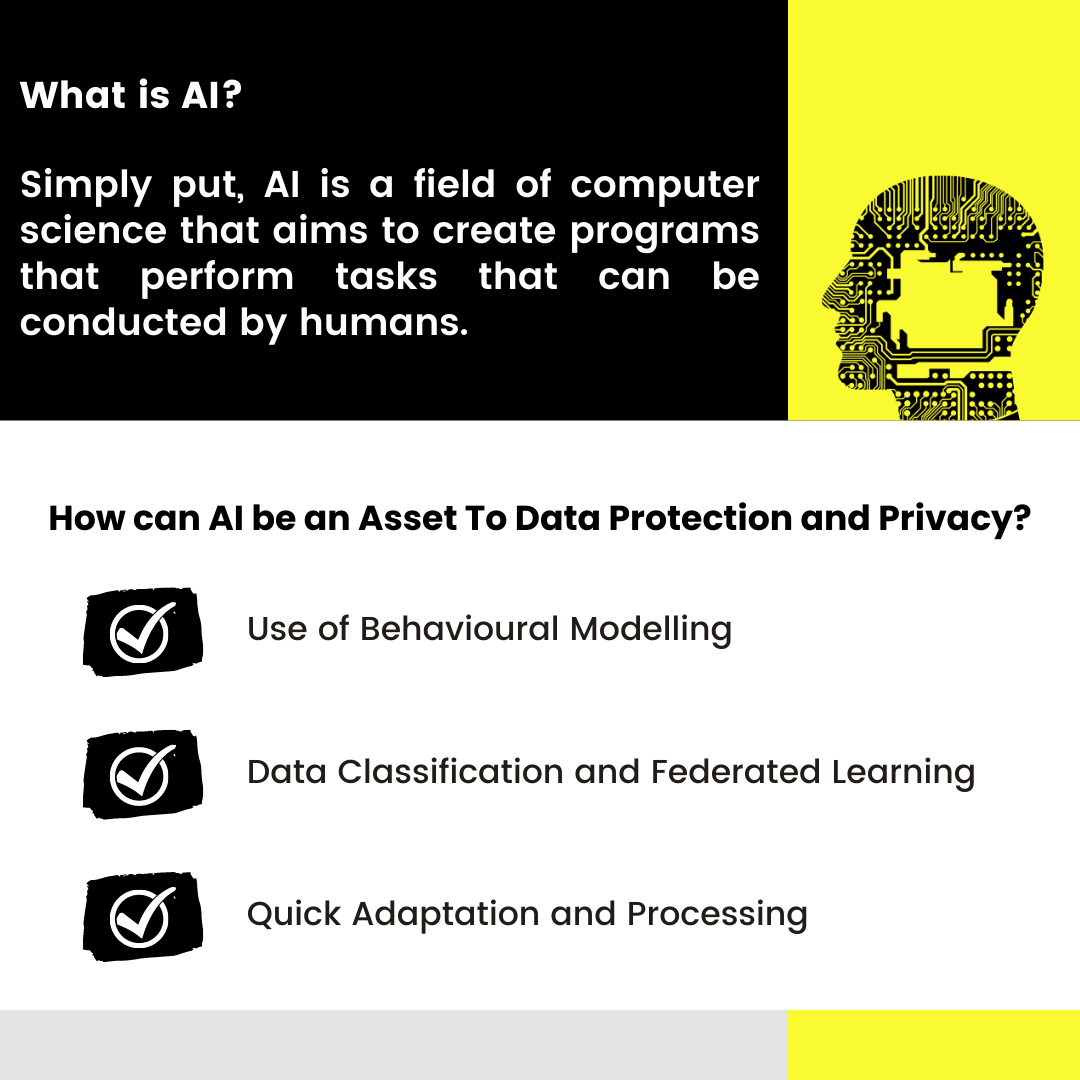
Artificial Intelligence (AI) significantly contains a lot of technical jargon that is difficult to untangle. In simple terms, AI is a field of computer science that aims to create programs that perform tasks which can be conducted by humans. With a significant amount of its specialities being attributed to machine learning, the technology can perform tasks that require learning, adapting, reasoning, recognizing patterns, along with decision-making. The term is quite broad and evolves often, and its mechanisms act as a basic root for Robotics, Predictive Analytics and Natural Language Processing (NLP).

Simply, AI works by processing a large quantity of data and pattern recognition and predictive analysis take place through the accumulation of data throughout. To narrow down the technicalities, think of a chatbot that gathers information by encountering examples of a variety of chats with people—the responses you receive are a result of AI combining its learning, reasoning and self-correction. 

AI will only continue to accelerate in its development, with its potential being able to grow beyond our imaginations, benefitting us in a plethora of ways. Despite our daily lives, AI is the technology that can be found in every nook and corner in ways that we do not realise; the movie suggestions brought to you by Netflix, autonomous cars and the yellow LED lights that dim down when you opt for reading a book before getting a good night’s sleep—these are all activities that represent mainstream AI technology. 

 The Role of AI In The Digital Industry

The digital industry is a storm of a wide range of technologies that shape the ongoing digital transformation of the 21st century. From the Internet of Things, and Virtual Reality, to SaaS and Robotics, the fourth generation of digital technologies would be the driving force of powerful systems and processes we see in organisations today. Interestingly, AI has been recognized as a cynical force that instigates digital transformation. 

With the never-ending evolution of the digital world, the looming question of whether our data is protected or not becomes bolder by the day. The popularity of AI and the marvellous amount of data that it handles, contribute to the growing concerns about privacy—however, its continuous advances introduce a ton of potential for compliance in securing personal information. It’s only viable that AI solutions are introduced to tackle privacy issues rather than manual approaches considering how the digital industry becomes more and more sophisticated and secure every day. 

How can AI be an Asset To Data Protection and Privacy?

The challenges brought about by digitalization would certainly concern data privacy at first, however, the ideology that AI could be used to enhance privacy compliance is been gaining traction. Here are a few ways in which AI could enhance data privacy and security; 

  1. The Use of Behavioural Modelling – 

Behaviour modelling in AI can be used for the identification of malware. It’s common to come across malicious software when storing large chunks of data, and AI tools that make use of behavioural modelling can analyse this data and generate predictive models that detect threats to cybersecurity. As soon as a threat is discovered, AI tools can generate countermeasures to instantly respond to the cyberattack. When protecting personal data, most enterprises adopt AI to monitor user data workflows to strengthen their shield against unwanted intrusions. 

In case of a security breach, the privacy of customers and personal data can be guarded because of careful and articulate monitoring of network behaviour—any anomaly or unusual behaviour like an extravagant debit transaction could indicate internal fraud within an organisation, and there would be a need to compromise privacy for personal data. 

  1. Data Classification and Federated Learning 

A great number of businesses store personal data that comprises an abundance of sensitive information and data classification allows organising data in relevant categories so that convenience is a factor that companies don’t have to worry about. Usually, segmenting data according to its sensitivity allows for restricted access; thus, data vulnerability is lessened and the risk of information like credit card numbers, health records, and authentication data being unanimously leaked becomes mitigated. 

Federated learning, on the other hand, is a fairly new AI mechanism that declutters the idea of explicitly sharing personal data. A key aspect of this branch in AI is that data scientists can share statistical models whilst using a decentralised machine learning technique. Put simply, this means that the need to upload private data to the system or exchange data is disregarded—the model is naturally privacy-aware. This method learns through data compiling, where initial data isn’t disclosed and new models are built based on various sources. 

  1. Quick Adaptation and Processing

AI cannot relate to protruding behaviour and strives to emphasise how regulations and compliance standards are duly met, whilst allowing individuals to check if their preferences are complied with at one’s convenience. A combination of effective machine learning, digital intelligence, and data algorithms make up the entirety of AI. The technology is also adamant about adapting to the user’s patterns, or even previously determined criteria allowing optimum control to be exercised by the user in safeguarding personal data. 

On top of that, the exponential amount of data being transferred every millisecond, and tasks being performed simultaneously would not pose a challenge for an AI-powered platform that secures privacy. Because of the strict regulations and innovative machine learning algorithms, crafting a seamless digital experience for all those who indulge themselves in a myriad of tasks powered by technology is possible through AI. 

The Future of Data Privacy 

It’s quite evident that AI-powered technology and the digital industry evolving at a rapid pace require us individuals and corporations to join in on the bandwagon of supporting the change. Every day, the lines between reality and the awe-inspiring virtual reality in fiction become blurred—soon enough, AI technology will be a household name amongst the digital technologies that we have access to. With its rapid widespread use, being concerned about privacy is a universal thought. However, incorporating AI into business practices in the same rigorous manner would open up possibilities for personal data to be protected from security breaches and reduce the potential for malware. For example, considering how the private data stored on any platform even has an ‘expiration date’, AI raises the bar for data protection rather than exploiting security measures. The compliant mechanisms and robust services do not fail to reduce any nefarious complications arising in the future. 

Got questions? Reach out to us

How to Increase Branded Traffic on Your Website

The question of how to increase traffic to your website is common among a lot of online entrepreneurs.  Perhaps you have also spent time and energy setting up your store and tweaking everything for a smooth launch, only to wonder where your website’s branded traffic ended up going.

You may have observed that despite the consistent rise in sales, brand traffic has plateaued. Perhaps you have been successful with one traffic-driving tactic and are curious about what you can try next.

Websites are one of the most important aspects of running a successful business in today’s world.  The purpose of this is to allow you to establish and expand your business through an online presence. 

The right tools can help you learn about your website visitors and convert them into customers or better, partners. Driving traffic to a website can pose a challenge to many marketers but it is possible. 

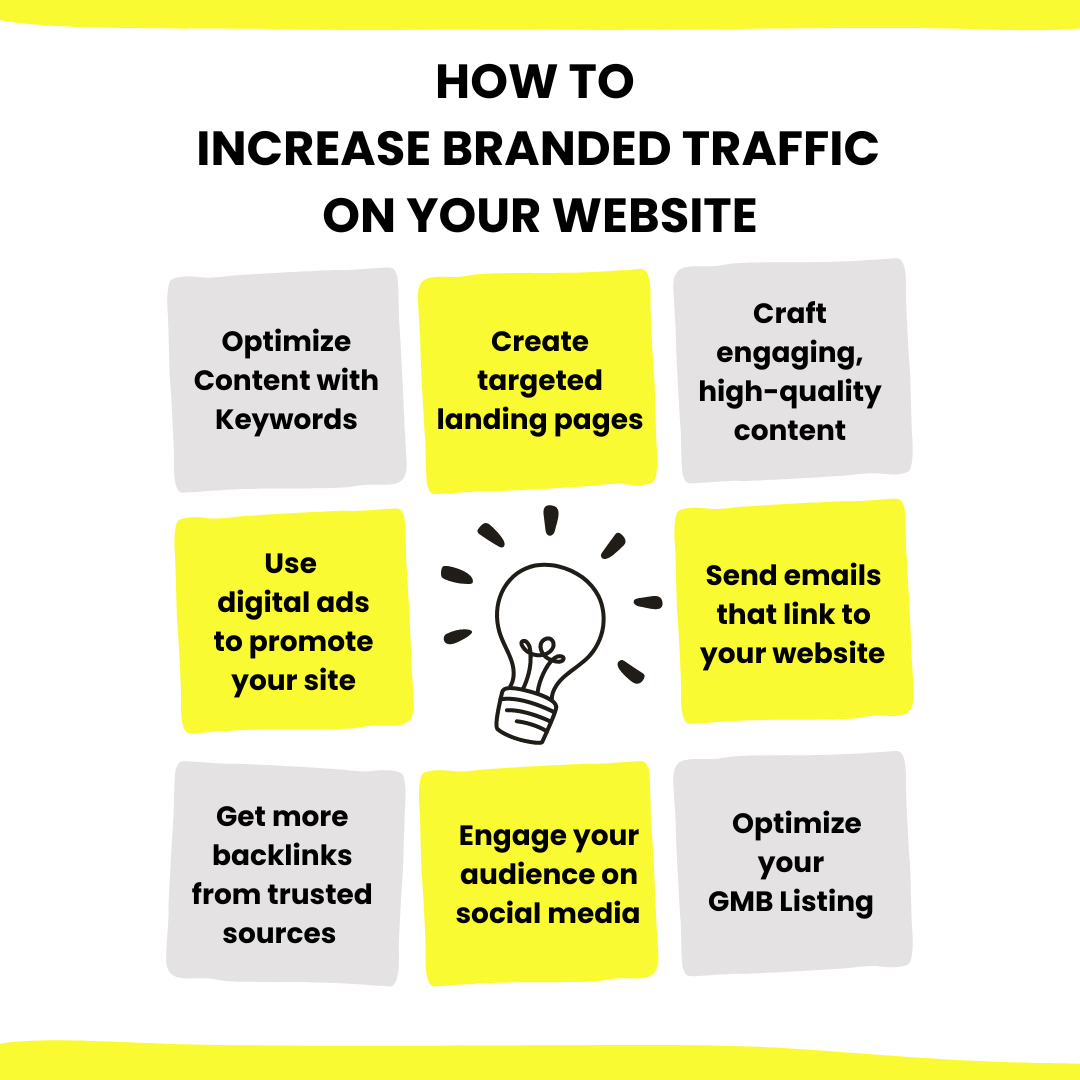
Here are a few tips that will help you in increasing your website’s branded traffic effectively –

Optimize Your Content With Keywords

Search engine optimization (SEO) involves adding relevant keywords to your content. Search engine users can find websites by searching for words or phrases. This can result in several commercial partnerships. Identifying your website’s search phrases can help you gain more visitors.

In some cases, you may only use specific terms, such as the name of a brand or product. There may also be unique features or advantages that you may offer, such as “all-natural,” “free delivery,” etc. Optimizing your website content can be made easier if you use the keywords your visitors have previously typed to find you. Google Analytics can give you pretty good insights on this.

Also, it is a good idea to observe the words your competitors use in their emails, on social media and on their websites. Google Search Console allows you to track how frequently your website appears in search results, which search terms bring in the most traffic, and how often people click on your website.

Here are some tips to help you maximize your SEO efforts:

Make your website findable– Ensure your website provides detailed descriptions of your services and their advantages so that search engines like Google and Bing can find you. Write a descriptive SEO title for your location website to make your business more accessible.

Leverage your website content —Leverage your website by drawing visitors by increasing your website’s search ranks through the use of articles, blog entries, user reviews, and other material. 

Optimize your visuals — Optimizing your images and videos for mobile devices can boost your Google rankings, even though search engines index words more highly than visual elements. You can make the search engine understand what the image is about by using the alt attribute on your photographs.

Create Targeted Landing Pages

A unique landing page with tailored content to their interests can help visitors interact with your website and ultimately with your business.

Utilize website analytics to create pages that showcase content that meets visitors’ priorities. This may appear to be a special promotion based on the articles someone has been reading or updates on the latest features of a product they have been researching.

These types of tailored content can be incorporated into your ongoing marketing campaigns by assigning tags to your contacts. The use of tags allows you to display relevant content to contacts when they access your website.  

Craft Engaging, High-quality Content

The most effective way to increase traffic to your website is to provide interesting, high-quality content that answers reader questions or provides solutions to problems. This will assist you in establishing your website as a market leader and the authority of your company. 

Creating original, useful, and engaging content will benefit your SEO efforts. Optimizing your website content and receiving visitors will increase as your website ranks higher on search engine results pages. 

The publishing of useful content can also lead to more returning visitors. This is because your readers will recognize the value of your information and how trustworthy it is.

Use Digital Ads To Promote Your Site

The internet is filled with ads for everything from online courses to sunglasses. The goal of these digital or banner ads is to direct visitors to a particular campaign’s website or landing page. They are extremely effective since they are posted on blogs and websites aimed at specific audiences, like DIYers or outdoor enthusiasts.

Facebook and Instagram advertisements can be targeted to incredibly specific audiences based on age, gender, interest, and educational level. You can create and manage campaigns that target people who are actively searching for what you offer based on the information you have about their website activity.

Plan your paid media strategy with a consultant or agency to determine how long your ads should run and where they should be placed. An expert can advise on how campaigns can become more successful over time and what results to expect.

Send Emails That Link To Your Website 

Driving traffic with email is a tried-and-tested strategy. The use of email as a form of outreach can be a very effective way for reaching out to your audience, educating them, and directing them to specific pages on your website. Mentioned below are two main types of email promotions: 

Email Newsletters — Informational content and advertisements such as sales or events may be included in email newsletters. Email newsletters can direct viewers to your website so they can read an article or take advantage of a promotion. 

Promotional emails — A promotional email may draw attention to a particular discount or occasion. If you have a shop, you might advertise a trunk show or wine tasting. A promotional email can also highlight recently posted films, services, or products.

The use of data-driven segmentation can be applied in both cases to identify the segments most likely to respond to your newsletter or offer. 

Get More Backlinks From Trusted Sources 

Backlinks allow users to visit a particular page on your website through links on another website. Higher search engine rankings are more likely to occur when you acquire high-quality backlinks.

Your website’s authority rises as a result of backlinks, which tell search engines how popular your website is. When the backlink comes from an untrustworthy website, the opposite result can occur.

Backlinks are also crucial for your business for the following reasons: 

  • A higher ranking on search engine results will attract more visitors to your website. 
  • The development of consumer trust is supported by backlinks. 
  • Backlinks will increase public awareness of your brand’s existence.

Engage Your Audience On Social Media 

Social media is a convenient platform to post articles, photos, and promotions that you host on your website. Apart from amplifying your message, social media can drive traffic to your website. 

In the case of e-commerce websites, you can promote sales through social media and direct traffic to your website. You must choose the best social media channel for your message to share it efficiently. The approach you choose should depend on your business model and the audience you want to reach. 

For promoting webinars or similar events, LinkedIn is a good choice, while Instagram is better for visuals such as product images. It is essential to link your social posts to targeted pages to ensure that users see what you want them to see. 

Optimize Your GMB Listing 

A Google My Business listing may be created for free and is fairly easy. As soon as you have a GMB listing, you may update your business’s hours, special offers, and blogs that contain call-to-action buttons, videos, and more. Additionally, you can manage reviews, submit well-liked Q&As, and set up customer SMS messaging — all for free. Businesses with photo-enhanced company profiles get 42% more inquiries for directions on Google Maps and 35% more hits to their websites.

Here is more information on how important Google My Business is for your business’s exponential growth.

Business owners must find time to promote their websites. A large part of your business’ growth can be attributed to branded searches. Digital marketing strategies, such as local SEO, email newsletter, and digital ads, all work to generate more branded traffic for your site. However, increasing traffic to your website and elevating your brand takes expertise and the right strategy. 

Contact us to learn more about how we can help your website attract quality traffic that leads to positive outcomes.

Got questions? Reach out to us

What is Google My Business and Why Your Business Needs It to GROW

Out of the 7.8 billion people living on the planet, 4.3 billion use Google to find answers on the internet.  The gargantuan search engine boasts over 92% market share and processes over 99,000 search queries every second. This tells a lot about the sheer dominance of the technology giant over the search engine market. Every second someone is looking up for the nearest coffee shop, places to eat, skincare tips, fashion trends, scientific facts, or staying updated with either celebrity gossip or economic trends. The spectrum of possible search terms is endless. Adding to it, due to the evident shift in consumer behavior post the pandemic lockdown, local “near me” Google searches grew globally by more than 100% in 2022. This is why it has become crucial for businesses to get a leg up on where customers start their journey – on Google. The more “searchable” your business is, the better the chances are of leading potential customers your way. 

This is where Google Business Profile, formerly known as Google My Business (GMB) comes into the picture and steals the limelight.

What is Google Business Profile?

Google Business Profile or Google My Business is a free internet-based service designed to help promote local businesses online. It allows you to provide details and photos of your business, including your location, services, and products and enables business owners to manage how their business appears online and make it stand out. Information from your Google Business Profile may appear in Google Search, Google Maps, and Google Shopping.

Although Search Engine Optimization (SEO) is the primary direction taken by businesses to enhance their online visibility and needless to say is the more popular digital marketing strategy used by businesses, Google Business Profile however, remains an underrated but highly effective online marketing tool to benefit businesses of all sizes, making it indispensable. 

Who can benefit from Google Business Profile?

If you are a business that corresponds with customers whether through a physical presence like a store, office, or restaurant or provides services by meeting with clients like consultants or repair works, you can create a Google Business Profile. But if you have an online-only business, with no physical presence or client interaction, you will have to stick to other Google tools like Google Ads and Google Analytics.

How can Google Business Profile or Google My Business help your business?

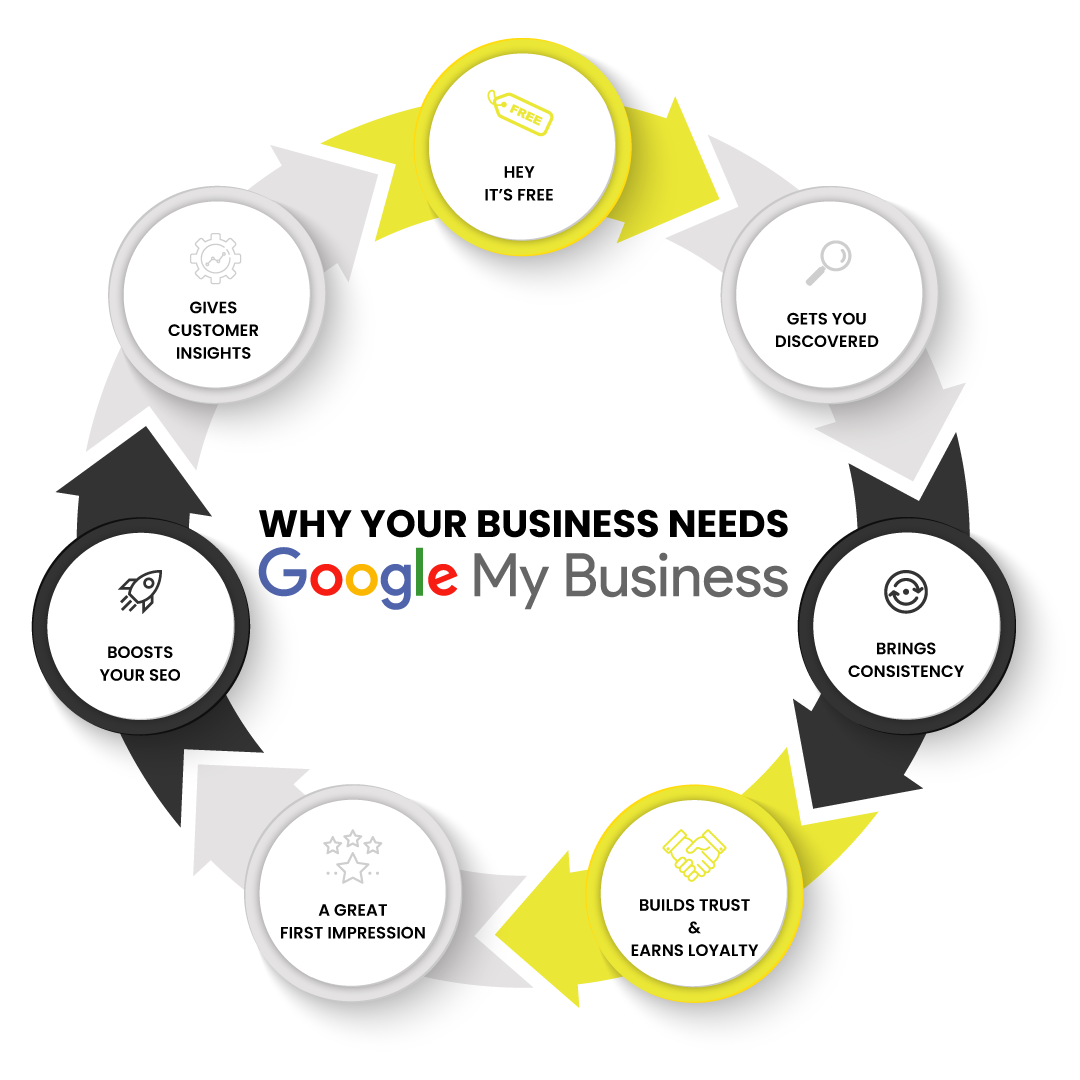
  • Google My Business is Free

One of the most attractive features of GMB is that is available for free to everyone. All you need to do is sign up and fill out your business profile with your website and contact details, pictures, location, and working hours along with some more information you like to share.

  • Google My Business Makes You Seen

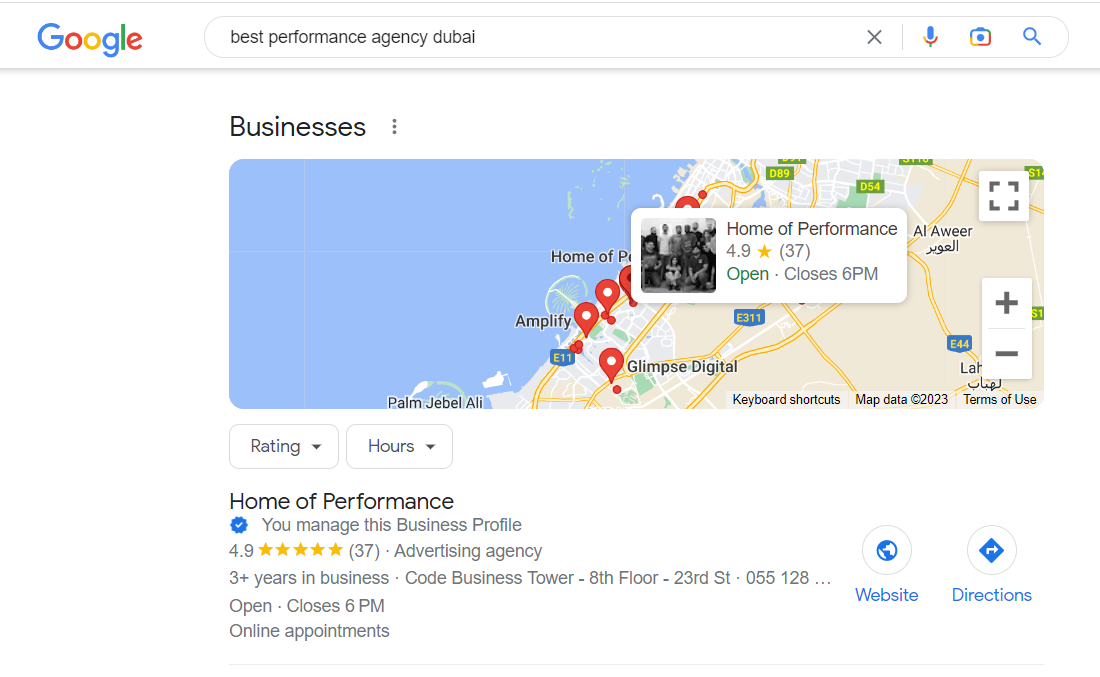
It’s the tool that puts you on the global map, quite literally with Google’s ubiquitous usage around the world. Not to mention, the ‘near me’ search queries have increased twice over the past year, making GMB the most formidable asset for any local business.

For example, a search query for ‘best performance agency dubai’ gives way to the GMB listing of Home of Performance at the top spot.

  • Google My Business Keeps You Consistent

GMB offers a seamless way to keep your target audience updated with changes your business undergoes. Customers don’t like jumping through hoops in order to find or contact you. With GMB, all it takes is updating your profile with your new address or contact information and you are easy to find.

  • Google My Business Makes a Great First Impression

Every business should be a brand of its own but not all of them are. Marketing priorities differ for many but they ideally should not. Whatever the case may be, GMB provides a platform to easily showcase your business in the best way possible with no cost attached. GMB allows you to add images to your profile to help present your business better. You can add images of your office space or shop, team members, nearby landmarks, and events that you participate in.

  • Google My Business Becomes Your Biggest Cheerleader

The most lauded feature of GMB is that it allows your clients to leave ratings and reviews about your products and services. This becomes important as it acts as the perfect source of trust-building and brand affirmation. The reviews are in fact the precious testimonials every business needs in order to grow and succeed. 

But it is a mixed bag as it is open for everyone to remark about your business. Sometimes, a disgruntled customer might leave a not-so-positive feedback. This gives you the perfect opportunity to comfort an unhappy customer and make up for their unexpected experience. Responding positively to negative reviews proves that you are a conscious business keeping its customer’s opinions in high regard and wanting to service them in the best way possible.

  • Google My Business Boosts Your SEO

GMB serves as one of the most important platforms to help enhance the impact of the SEO strategy. But just adding contact details would not be enough to aid SEO.

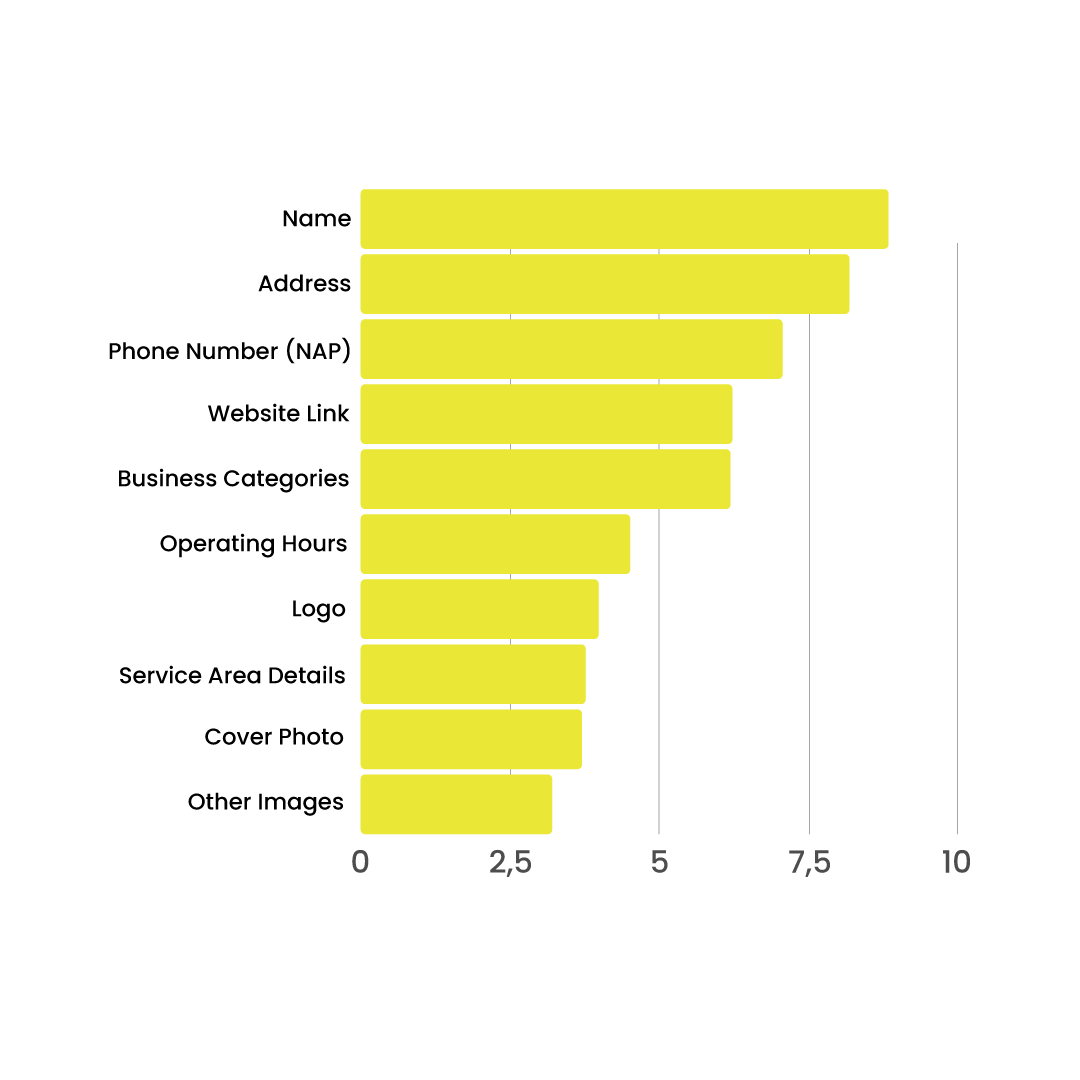
Here is a list of essential items, ranked by importance, that you should optimize for your Google My Business to work in favor of ranking and SEO.

  • Google My Business Gives You Insights

GMB offers customer insights that can help your business to scale and adapt to what your customers prefer. It provides you data on – 

  • Number of views your GMB profile had
  • How and where customers find your GMB listing
  • What actions customers took on your listing
  • Other interactions customers have with your GMB listing

The internet is filled with innumerable businesses trying to find their way to reach their target audience. Any opportunity that can help your business be visible in this organized chaos is worth putting an effort into. Google My Business is one such opportunity that allows your customers to find you easily and effectively. 

Got questions? Reach out to us

Top 6 Marketing Automation Tools for 2021

[vc_row][vc_column width=”2/3″][vc_column_text css=”.vc_custom_1612167681075{padding-right: 50px !important;padding-left: 50px !important;}”]

What is Marketing Automation? 

Marketing automation refers to the software and platforms that allow companies to effectively increase marketing across multiple channels online and grow. Marketers can specify criteria they want to focus on and use marketing automation tools to achieve their targets. Marketing Automation increases the marketing department’s efficiency and overall performance of the organization.

Here we discuss the 6 marketing automation tools that you, as a marketer, can incorporate in your operations to get the best results.

The 6 Marketing Automation Tools

  1. ActiveCampaign

ActiveCampaign is an all-rounder when it comes to increasing revenue and enlarging customer base. It is ideal for small and medium scale businesses looking for an active interaction to enhance their customer relationships. Inbuilt features like lead scoring, lead win probability and segmentation makes it a perfect deal-closing marketing automation tool.

Pros of ActiveCampaign 

    • In-built marketing automation platforms for businesses. It contains features for email marketing, CRM, and social media personalization.
    • Easy to understand and use hence, does not require training.
    • Affordable price. The price of the software is budget-friendly and it remains affordable as your business grows.

Cons of ActiveCampaign

    • It can become a little ambiguous as it provides insights on multiple sales and goals conversions.
    • Does not have a free version

For Free Trial of an activecampaign, click here .

  1. Autopilot

There are several email automation tools in the market, but Autopilot takes a special seat because of its fun design for email automation sequences. With no technical background needed, Autopilot is very easy to learn and use with amazing customer support and enough resources online for self-learning.

Pros of Autopilot

    • Simple and easy to use
    • No technical background needed
    • Excellent customer support
    • Can be integrated with lot of tools

Cons of Autopilot

    • When compared with its competitors, it is priced on a higher level. Not everybody can afford the tool.
  1. Convertkit

A Perfect marketing automation tool that is ideal for bloggers and content creators. The automated tag and segment feature helps you organise your subscribers based on your interests, location and other important factors to know more about the customers and map them to your marketing funnel.

Pros of Convertkit

    • Converkit has a seamless dashboard design.
    • It has built-in landing page templates.
    • It provides easy to understand data analytics. This can help you keep track of your growing subscriber’s list.

Cons of Convertkit

    • It does not provide e-commerce integration.
    • It does not offer lead scoring.
    • It is not appropriate for large scale  businesses because of its limited features.
  1. Omnisend

Another very simple to use marketing automation tool is Omnisend, targeting sales-driven marketers. With personalised messages and seamless automation workflows, omnisend helps you reach a wider audience and increase your sales. The  easy-to-use editor feature helps you grow  your subscriber list with a customised sign up forms and newsletters.The biggest advantage of Omnisend is that it works with all major e-commerce platforms like Shopify, Woo-commerce, Magento etc.

Pros of Omnisend

    • Omnisend offers e-commerce integration. This allows you to automate several e-commerce platforms through one software.
    • It is easy to understand and use.
    • It is ideal for sales-driven business.
    • Excellent customer support.

Cons of Omnisend

    • The price remains reasonable but it is still costly as compared to other marketing automation software.
  1. Hubspot

Be it for marketing, sales, service or a powerful CRM, Hubspot offers these solutions under the roof that helps businesses to grow better. When it comes to inbound marketing, Hubspot marketing hub offers you everything you need to run an efficient inbound marketing campaign.

Pros of Hubspot

    • It is non-technical. Hubspot is highly intuitive, which allows business owners to use the software without difficulties.
    • It has several automation tools including CRM software for sales, email marketing automation, social media management, and a lot more.

Cons of Hubspot

    • It gets expensive. As a business grows the plans become expensive.
    • The plans cannot be cancelled once the contracts have been signed. Owners have to pay for the tools until the contract ends.
    • The free version offers limited tools, which might not be useful for growing businesses. This means they will have to purchase the plans offered by Hubspot.
  1. Drip

Drip is a CRM designed marketing automation tool that helps sales-driven businesses to increase their customer base and convert leads to paying customers. Detailed tracking, segmentation and powerful email marketing automation makes drip a perfect choice for scaling up the sales-driven business.

Pros of Drip

    • Excellent email marketing automation support. This makes the software ideal for online businesses to allow them to expand their customer base.
    • It allows e-commerce integration, which makes automation easier for businesses.

Cons of Drip

    • It becomes expensive as the business grows.
    • The social media integration offered is not the strongest feature of the software.

Conclusion:

There are several benefits of incorporating marketing automation tools in your business, especially if you are entirely an online enterprise. Using the tools for time-consuming yet a little less important tasks can save you and your employees time, which can be allocated to more important tasks.

Secondly, marketing automation tools lead to a positive return on investment (ROI). The main reason it happens is when labour is not invested in doing small tasks, they can invest their time and energy in making breakthrough decisions. It also reduces labour costs.

Thirdly, marketing automation leads to increased accountability. When the processes and the company’s performance are clearly defined and transparent, it becomes easy to recognise the area needing improvement. Hence, promoting accountability amongst employees to perform their part effectively.

Overall, there are multiple perks of marketing automation that can prove to be beneficial for businesses, especially eCommerce businesses.[/vc_column_text][/vc_column][vc_column width=”1/6″][/vc_column][/vc_row][vc_row][vc_column][vc_column_text]

Got questions? Reach out to us.


[/vc_column_text][/vc_column][/vc_row]