Home of Performance Announces Strategic SEO Partnership with Soueast Motors, a Brand Under Elite Motors

Home of Performance (HOP), one of the region’s leading digital marketing agencies, proudly announces the onboarding of its newest client, Soueast Motors, a pioneering automotive brand under the reputable umbrella of Elite Motors. This partnership marks yet another significant milestone in HOP’s growing influence within the automotive digital landscape, as more high-performance brands entrust their SEO strategies to the agency’s expert team.

Soueast Motors, known for its commitment to engineering innovation, refined automotive design, and high-performance vehicles, is now set to accelerate its online presence through HOP’s comprehensive and performance-driven SEO services. This strategic alliance aims to amplify Soueast Motors’ visibility in the digital space, especially within the highly competitive automotive sector in the GCC and beyond.

Driving Visibility: SEO Excellence Meets Automotive Innovation

With the automotive industry evolving rapidly and digital dominance becoming a key differentiator, HOP’s expertise in Search Engine Optimization is poised to help Soueast Motors capture the attention of prospective buyers, brand enthusiasts, and decision-makers across the region.

“We are thrilled to welcome Soueast Motors into the Home of Performance family,” said John von Hofsten, Managing Director of Home of Performance. “Automotive brands today must master both engineering excellence and digital dominance. With this collaboration, we’re excited to drive Soueast Motors’ digital footprint forward with our tailored SEO approach that delivers measurable results.”

HOP will be implementing a bespoke SEO strategy for Soueast Motors that encompasses:

  • In-depth keyword research aligned with user intent and market trends
  • Technical SEO audits to optimize on-site performance
  • Content creation and optimization to drive organic visibility and engagement
  • Link-building strategies to enhance domain authority
  • Ongoing data analysis and reporting to refine performance

With HOP’s proprietary frameworks and AI-enhanced tools, this partnership is designed not just for rankings, but for long-term, ROI-focused results.

Why SEO Is Mission-Critical for Automotive Brands

The modern car buyer begins their journey online, making search visibility crucial for customer acquisition. Whether researching fuel efficiency, vehicle specs, or price comparisons, customers rely heavily on search engines to guide decisions. An optimized website not only boosts visibility but enhances user experience — both of which are key metrics in driving conversions.

Soueast Motors’ decision to invest in SEO reflects its forward-thinking approach and understanding of evolving consumer behavior. With HOP’s help, the brand is now well-positioned to climb SERPs (Search Engine Results Pages), increase organic traffic, and expand brand loyalty through informative, optimized content.

Trusted by Elite Motors: A Testament to Performance

This partnership is even more significant given Soueast Motors’ affiliation with Elite Motors, a premier automotive group in the UAE, known for representing some of the world’s most luxurious and trusted car brands. HOP’s continued collaboration with automotive powerhouses like Elite Motors is a testament to the agency’s reliability, industry knowledge, and consistent ability to deliver growth.

“It’s always exciting to work with brands that share our performance-driven philosophy,” said Gokul Renjith, Head of SEO at Home of Performance. “Soueast Motors is a brand with strong heritage and ambition. Our SEO plan is engineered to match their momentum and will be focused on driving sustainable traffic, quality leads, and measurable ROI.”

Setting New Benchmarks: What Clients Can Expect

By collaborating with Home of Performance, Soueast Motors gains access to a full-service SEO team that integrates creative, analytical, and technical expertise. Here’s what the roadmap includes:

  • Content Strategy Aligned with Buyer Journey
    HOP will craft optimized, informative content across blog articles, model pages, and landing pages that guide users through the buyer funnel — from awareness to action.
  • Technical Enhancements to Improve Crawlability and Speed
    From schema implementation to mobile optimization and site structure, HOP ensures that Soueast’s website performs to Google’s ever-evolving standards.
  • Local SEO for Hyper-Targeted Visibility
    With the UAE’s diverse car-buying audience, the focus will also include multilingual SEO and localized content strategies to connect with audiences in Arabic and English.
  • Conversion-Driven Reporting and Insights
    HOP believes in data-backed strategies. Monthly SEO reports, goal tracking, and A/B testing will allow both teams to consistently optimize for outcomes.

About Soueast Motors

Soueast Motors is a dynamic automotive manufacturer renowned for its precision engineering, innovative technology, and driver-focused designs. Operating under the guidance of Elite Motors in the UAE, the brand is gaining ground across the GCC with a growing lineup of quality vehicles catering to modern lifestyles.

About Home of Performance

Home of Performance is a Dubai-based full-service digital marketing agency specializing in SEO, Paid Media, Social Media, and Web Development. Known for its data-driven strategies and high-performance results, HOP partners with businesses ready to scale in competitive markets.

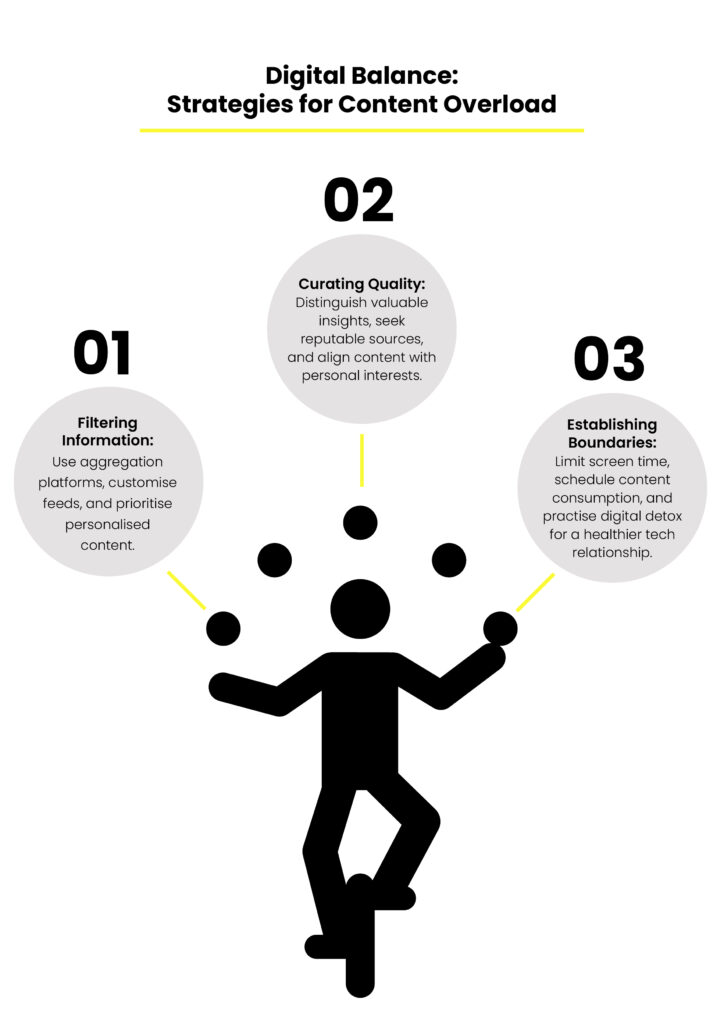
Content Overload: How the Flood of Information Affects Consumer Attention

In today’s digital age, the term “content overload” has become increasingly common, signifying enough informational abundance available to common users on digital channels. From social media feeds to news websites, we are bombarded with a constant stream of content, often leaving us feeling overwhelmed and unable to keep up. Content overload highlights the tension between quantity and quality in the digital realm, where the sheer volume of information can sometimes overshadow its value and relevance. 

In this blog, we delve into the dynamics of informational overload, exploring its implications for consumer attention. Our exploration revolves around dissecting the impact of this phenomenon on how individuals engage with and prioritise content in an environment characterised by an excess of information.

The Rise of Content Overload

From social media updates to online articles, the accessibility and ubiquity of content have fundamentally altered how we engage with information, shaping consumer behaviour in profound ways.

  • Explosion of Content Creation: The proliferation of content creation has contributed significantly to the rise of content overload. Factors such as the ease of publishing online, the democratisation of content platforms, and the rise of user-generated content have all fueled this phenomenon.
  • Accessibility and Ubiquity: In today’s digital landscape, information is readily accessible and omnipresent. With the advent of smartphones and high-speed internet, individuals are constantly exposed to a perpetual stream of content from various sources.
  • Consequences on Consumer Behavior: Content overload has profound implications for consumer behaviour. It can lead to decision paralysis, where individuals struggle to sift through the abundance of options, resulting in indecision or avoidance altogether. Moreover, it can diminish the quality of attention given to each piece of content, leading to superficial engagement & retention. 

Navigating Content Overload

To combat the overwhelming tide of content overload, individuals must employ proactive strategies to filter, curate, and establish boundaries in their consumption habits.

  • Filtering Information: Strategies for Managing Content Consumption

In the face of content overload, effective filtering strategies are essential for managing information consumption. This involves employing tools and techniques such as using content aggregation platforms, customising social media feeds, and leveraging algorithms to prioritise content based on personal preferences and interests.

  • Curating Quality Content: Focusing on Relevance and Value

Amidst the deluge of content, curating quality content is important to maximise material that is of utility. This entails discerning between noise and valuable insights, actively seeking out reputable sources, and prioritising content that aligns with one’s interests, goals, and values.

  • Establishing Boundaries: Setting Limits to Prevent Overwhelm

To mitigate the negative effects of content overload, establishing boundaries is crucial. This involves setting limits on screen time, allocating dedicated periods for content consumption. Practising digital detoxes is also a way to cultivate a healthier relationship with technology and information consumption. By implementing these boundaries, individuals can safeguard their well-being and maintain a balanced approach.

Impact on Marketing and Brand Communication

In the digital marketing landscape, navigating content overload presents both a challenge and an opportunity for brands seeking to engage with their audience. Marketers must grapple with the daunting task of breaking through the noise to capture consumer attention amidst a constant barrage of information.

  • Challenges for Marketers: Breaking Through the Noise

Marketers face formidable challenges in breaking through the noise of content overload to capture audience attention. With consumers bombarded by a constant stream of information, standing out amidst the clutter requires innovative approaches and strategic tactics. Traditional marketing methods often fall short in this saturated landscape, necessitating a shift towards more personalised, targeted, and engaging strategies to resonate with increasingly discerning audiences.

  • Strategies for Cutting Through the Clutter: Embracing Authenticity and Personalization

To effectively cut through the clutter, marketers must embrace authenticity and personalisation in their communication efforts. Authenticity resonates with modern consumers who prioritise genuine connections with brands, making it essential for marketers to convey sincerity in their messaging. Personalisation, on the other hand, enables marketers to tailor content to the specific preferences and interests of individual consumers, increasing relevance and resonance. By combining authenticity and personalisation, marketers can create compelling narratives.

  • Leveraging Content Overload to Enhance Brand Differentiation

Instead of contributing to the overwhelming volume of content, brands can leverage content overload to their advantage by focusing on quality over quantity. By understanding the needs, desires, and pain points of their target market, brands can create content that stands out, positioning themselves as trusted authorities in their respective industries. Through strategic content creation and distribution, brands can effectively leverage content overload to differentiate themselves from competitors.

The Role of Technology in Mitigating Content Overload

In combatting content overload, technology plays a vital role. AI and machine learning personalise content delivery, filtering information based on individual preferences. Automation and aggregation tools streamline content consumption, consolidating diverse sources. Yet, ethical concerns arise, emphasising the need to balance efficiency with privacy and transparency. As technology evolves, upholding ethical standards is crucial to ensure user rights are preserved amid the benefits of innovation.

Navigating content overload requires a nuanced understanding of its challenges and opportunities. Key points include the overwhelming volume of information, the need for personalised strategies, and the ethical considerations involved. As brands strive to engage with their audience, prioritising quality and relevance in content creation is essential. Ultimately, the embrace of content consumption in the digital age requires a certain skill that bypasses logic. By leveraging technology, we can proficiently filter and curate content that comes and goes in the digital landscape. 

Cryptocurrency And Its Endless Possibilities

Whether represented by a cowrie shell, leather, a metal coin, a piece of paper, or a string of code electronically mined by a computer, money has always had three functions. According to a podcast by the Federal Reserve Bank of St. Louis, it serves as a store of value, a unit of account, and a medium of exchange.

Until the emergence of mobile phones and online banking, when it became possible to do business without needing to move actual money around, the most acceptable forms of currency have been the dirham, dollar, pound, and other fiat (authorised) currencies. But the world never ceased dreaming of newer possibilities, and we have woken to the reality of an entirely new type of currency – cryptocurrency.

What Is Cryptocurrency?

Cryptocurrency is a virtual currency that is exchanged using designated software, applications, and networks. The term crypto is derived from the English word ‘encrypt’, which means to code. The foundation of bitcoin is sophisticated coding that stores and transmits data between wallets and public ledgers.

Fiat currencies are government-issued currencies with sovereign backing; cryptocurrencies, on the other hand, are decentralised digital funds or assets held together by blockchain technology. The blockchain is a distributed public ledger that records transactions in blocks (code). A single transaction is represented by a block, and each new block is linked to the preceding one as new transactions occur. The blockchain (ledger) is updated every time a new transaction occurs by debiting one account and crediting the other. Mining for cryptocurrency is the process of creating new digital “coins.”

Today, there are numerous cryptocurrencies. Bitcoin (BTC), Ethereum (ETH), Cardano (ADA), Ripple (XRP), Binance coin (BNB), Dogecoin (DOGE), Litecoin (LTC), and Polkadot (DOT) are a few notable ones that all run on their own blockchain.

Use Cases Of Cryptocurrency

A currency is only as valuable as what people claim it can do for them, which determines its demand and supply. Blockchain technology and cryptocurrencies have the ability to alter the way people engage, communicate, work, and play, and the possibilities are limitless.

  • Payments

If you need to transmit $1,000 to someone in another country right away, using a banking system would be a nightmare. After all, urgent situations cannot afford to wait three to seven days for a payment to be processed. With cryptocurrencies such as Bitcoin (BTC), Ether (ETH), or XRP, transfers will reach the receiver’s account almost instantaneously. 

  • Store of value

Cryptocurrencies are not only a highly efficient mode of payment, but they are also a more secure store of value. 

Traditional currencies are inflammatory, which means they lose value over time. Cryptocurrencies, on the other hand, use better supply systems that limit inflation and may increase in value as demand increases. As a result, when you hold your funds in cryptocurrencies, they may grow value rather than lose value over time.

  • Borrowing and lending

What if you could acquire a loan without filling out a single form or signing a contract? Decentralised financial applications have removed the middleman from the lending and borrowing process. They enable people to lend and borrow money almost immediately utilising cryptocurrency. Furthermore, because cryptocurrencies are global currencies, you can lend or borrow from these platforms no matter where you live.

  • Tokenization of assets

With the emergence of cryptocurrencies, it is now possible to tokenize physical assets. Copyrights, real estate, art, and commodities can all be tokenized and represented in the form of a cryptocurrency token. This adds liquidity to an otherwise illiquid asset and facilitates the interchange of even non-liquid assets. In addition, buying and selling these assets becomes more cost-effective, quick, and transparent.

  • Gaming

With the dawn of Web3 and the metaverse, the gaming industry has already been disrupted by cryptocurrency in the form of non-fungible tokens (NFTs). NFTs are crypto tokens in the gaming sector that represent a unique digital asset within a game. Because each NFT represents something distinct, their values differ and they are not interchangeable. This provides each user with a truly real in-game item that no one else owns. The most well-known example of blockchain-based NFTs is Crypto Kitties, which are digital cats.

  • Storage

The centralised cloud storage platforms have numerous significant flaws, ranging from excessive prices to server outages. This has paved the way for decentralised storage enabled by blockchain technology. 

Risks And Returns Involved

Volatility: Cryptocurrencies are extremely volatile, with price fluctuations occurring at an alarming rate as a result of unforeseen shifts in market sentiment. Your $5,000 in Bitcoin now, for example, could be worth $50 in a few months. On a good day, your $5000 may be worth $50,000. The cryptocurrency market moves in a continual cycle of highs and lows.

Unregulated: Because cryptocurrencies are not currently regulated by the government or financial institutions, they are unaffected by the inflation rate, monetary policies, and other economic growth factors used to measure fiat currencies. Instead, the price of cryptocurrencies is impacted by the coin’s supply and demand, the cost of mining, the number of competing cryptocurrencies, the regulation governing its usage and sale, news developments, and the state of its internal governance.

Susceptible to theft, fraud, and other misfortunes: A cryptocurrency exchange can be hacked, and funds from user wallets can be taken. Users may also lose money if they deal with scammers, particularly on untrustworthy sites, or if they move coins to the wrong wallet address, as this is an irreversible operation. If you forget your wallet’s passcode, it may be compromised.

Can be discontinued: A cryptocurrency project may fail for a number of reasons, and individuals who invested in the coin will have to bear their own losses.

Returns: The blockchain technology that cryptocurrencies are based on has the potential to transform the way businesses are conducted in various industries. Thus, crypto aficionados who trust in the future of this technology and invest in it stand to profit handsomely if the projects succeed.

The Future Of Cryptocurrency

We can speculate about the value of cryptocurrencies for investors in the future months and years (and many will), but the reality is that it is still a new and speculative investment with little history on which to build forecasts. 

Cryptocurrencies may find their way into consumer digital wallets on a massive scale when government organisations work out a legal framework and taxation structure. Despite the fact that Bitcoin became legal cash in El Salvador in 2021 and the Central African Republic in 2022, the remainder of the world is unlikely to follow suit anytime soon.

Nobody knows what the future of cryptocurrency is like, no matter what an expert thinks or says. That is why it is critical to only invest what you are willing to lose and to stick to more traditional assets for long-term wealth building. Keep your investments minimal, and avoid prioritising crypto investments over other financial goals such as retirement savings and debt repayment.


Got questions? Reach out to us.


How Segmenting Your Customers Can Increase Content Marketing Reach

You may have decided to jumpstart your content marketing with a blog that’s highly relevant to your business because you read online that businesses with blogs get 67% more leads than other companies. However, regardless of this thinkpiece being the most helpful content you have ever published, it’s drowning in a sea of content noise.

At the core of every effective content marketing strategy is getting the right content across to the right buyer. You might have a general understanding of who your customers are, but not a full understanding of what distinguishes them from one another, and that is why it’s vital that you research your audience before you start creating high-quality, relevant content.  When you understand your customers and what is important to them, the content you create will increase conversion rates.

Organizing your customers into distinct segments allows you to target your content more efficiently and successfully. You will not waste time or effort on generalized content, and you will be able to promote that content to ensure it reaches as many viewers as possible from your target group.

Read on to find out how you can segment your target audience to maximise your content reach, optimising your content marketing ROI.

What Is Customer Segmentation?

In order to attract leads that convert, you must target a small group of clients who are most similar to your best current customers, rather than a vast universe of possible customers.  Customer segmentation is the separation of potential customers into different categories in a given market based on shared traits. This provides you with an easy way to organise and manage your company’s relationships with its customers while tailoring and personalising your marketing, service, and sales efforts to the needs of specific groups. As a result, this improves customer loyalty, reach and conversion rates.

Types Of Customer Segmentation

Content reach is a crucial facet of a company’s online presence and represents chances for businesses to communicate with their customers. These popular models and types of segmentation will help you to divide your clients into groups based on common characteristics.

  1. Demographic Segmentation

Demographic segmentation divides a targeted audience according to variables like age, gender, income, education level, family size, ethnicity, and others. Since most products cater to specific individual requirements related to at least one demographic element, this is the most widely used form of segmentation used in content marketing.

  1. Geographic Segmentation

This type of segmentation divides target users into groups based on predefined geographic boundaries. A market can be defined by its location, such as a town, county, or country. You can also categorise them based on their climate or population density. It is simple but effective because knowing where your customers live allows you to better comprehend their needs and target them with location-based ads. 

  1. Technographic Segmentation

Customers are classified based on their ownership, usage, and attitudes toward information and communication technologies. These technologies are a defining force and a central focus in a wide range of occupations and lifestyles. This data also assists content marketers in determining the most effective channels for reaching out to their customers.

  1. Behavioural Segmentation

Behavioural segmentation focuses on the customers’ specific reactions and how they proceed with their purchasing processes. It captures challenges such as their attitudes toward a brand, how they interact with it, and how knowledgeable they are about industry issues. This information is essential because it relates to how customers interact with your content. When you know their behaviour, you can market your products and services more effectively.

  1. Needs-Based Segmentation

This model uses consumers’ validated reasons for purchasing a specific product to segment the market. Market research is used to identify and validate customer needs and marketers can use this information to generate leads through their content.

  1. Psychological Segmentation

This segmentation is concerned with the intrinsic characteristics of your target market. Customers are classified according to their values, interests, personality traits, attitude, and ways of life. At this level, use focus groups, surveys, interviews, and audience testing to better understand your audience.

  1. Value-Based Segmentation

This model classifies consumers according to their monetary worth. Consumers who have similar values in the same segment think alike, making it simple to target and market to them.

Creating Targeted Content

To be successful, any piece of content must be tailored and speak to a specific person (a potential customer) with a specific need at a certain moment in their buyer journey. In other words, you must have tailored content that shows a thorough awareness of who your audience is and where they are on the route to purchase.

You might consider starting with your content, such as conducting a content audit of what you already have and everything your competitors have. This is crucial, but it comes later.

You should actually begin with these two critical steps:

  • Learn about your target audience.
  • Recognize your own limitations as a marketer.

These two stages must be completed prior to conducting any audit of your own or rival content.

Know your audience

Many brands believe they know who their target audience is. However, they frequently get stuck thinking about who they want their audience to be. Customers aren’t looking for a definition of something 9 times out of 10. They want a solid comprehension of a topic or a solution to a problem. Your content should not only target a certain audience, but also a specific problem that they need to solve.

Although collecting demographic information is part of knowing your audience, learning their pain points and their thoughts is far more beneficial to a marketer looking to earn and keep customers. 

What are your marketing growth constraints?

You will be able to plan content at different stages of the product funnel, but first, you must consider what growth constraints your company has and where they sit in the funnel. Since raising awareness is a common growth constraint for firms, it’s common to focus on creating content for that top-of-funnel awareness stage. But what if your awareness is high, but your conversions at the bottom of the funnel aren’t as high as you’d like? Locate the cause of the constraint, find the gaps, and target your content there.

Consider creating material that does two things: it keeps the searcher’s objective in mind while also providing insight into unresolved subjects and questions. This will provide your content marketing with a competitive advantage. You don’t just know what your competitors know; you also know what they don’t know.

You should be generating content that resonates with your prospective investor at every stage of the buying process, from awareness to consideration to sale. So creating sales-funnel-specific content is another critical step in ensuring your content is well targeted, not just to a specific category of the buyer but also to buyers at different stages of evaluating your product. 

 Where Do You Start Creating Targeted Content?

Whether you are debating between topical and evergreen content, there are four different types of content you can create for buyers no matter what product or service you sell.

  • Provide high-interest content with a lighter tone and basic information to potential customers.
  • Introduce your company to new customers and provide them with useful information and tips.
  • Focus on convincing and converting experts on your type of product or service with meticulously researched information and plenty of detailed information.
  • Use self-promotional content to make insiders feel like they’re a part of a group. Give them the inside scoop on every new product or option.

How Do B2B Segmentation And Content Marketing Work?

If you’re dealing with businesses rather than individuals, your approach to segmentation will have to be a little different. You can create market segments based on similar geographic variables, or you can differentiate based on company size, industry, organizational policies, purchasing habits, or urgency. Keep your content for them concise and clear at all times. Focus on the concrete benefits for that specific group of businesses when personalising the content for each segment.

How Can You Gauge Your Content Marketing Reach?


One word – analytics!

You can monitor the success of your content using Google Analytics and other platforms. You can quantify things like:

  • Search rankings
  • Click-through rate
  • Website traffic
  • Domain authority
  • Links
  • Subscriber growth

All of this information will assist you in making solid, data-driven decisions for future content. Properly utilizing customer segmentation models in your content marketing can influence every aspect of your organization—sales, marketing, product development, customer service, and others. Your company’s customer focus and market clarity will improve, allowing it to scale in a far more predictable and effective manner.

Regardless of whether you decide to use a content marketing agency, or take matters into your own hands, make sure you create content to attract, engage, and sell, allowing your brand’s expertise and unique value to come through. With some forethought and systematic content marketing, you too can reach the right people and build brand loyalty.


Got questions? Reach out to us.


Everything You Need To Know About The Metaverse

The metaverse, according to tech CEOs like Mark Zuckerberg and Satya Nadella of Microsoft, is the internet’s future and the next huge technological breakthrough. It has already become one of the most talked-about destinations in 2022, even if it is still in the preliminary stages. The metaverse is widely misinterpreted, starting with the fact that it isn’t actually real. 

Meta, the world’s seventh-largest company by market capitalization, recently committed to building its infrastructure. This concept of the metaverse is also surrounded by a lot of marketing hype. It’s uncertain whether there will be a single metaverse or many separate metaverses, but one thing appears to be certain: The metaverse is a virtual or augmented reality-based next-generation version of the internet. 

What Is The  Metaverse?

The metaverse is a massively scaled and adaptable network of real-time rendered 3D virtual worlds that an effectively infinite number of users can experience simultaneously and consistently, each with their own sense of presence and data such as identity, history, entitlements, objects, communications, and payments. Virtual reality, which is characterized by persistent virtual environments that exist even when you’re not playing, and augmented reality, which blends features of the digital and physical worlds, are two technologies that make up the metaverse. It does not, however, necessitate that you access the 3D virtual world only through VR or AR. 

The metaverse will contain a variety of user experiences, including but not limited to entertainment, gaming, commerce, social interactions, education, and research, in addition to the technical necessities. It also refers to a digital economy in which users can design, buy, and sell products while it is also interoperable, letting you move virtual objects like clothes or cars from one platform to another, under the more idealized conceptions of the metaverse. Most platforms already feature virtual identities, avatars, and inventories that are bound to a single platform, but a metaverse might allow you to establish a persona that you can take with you wherever you go as easily as copying your profile image from one social network to another.

Why Is Mark Zuckerberg Investing Millions Into It?

Many people are still attempting to comprehend what the metaverse is and whether the futuristic technical notion is something they should take seriously, regardless of the fact that “metaverse” became a buzzword after Facebook changed its corporate name to “Meta.”

Mark Zuckerberg envisions the metaverse as the successor to the mobile internet, an idea that has the potential to transform our lives by allowing us to go online from any place and allowing Facebook to exist. If the metaverse becomes what Zuckerberg wants it to be, it might reshape the world as well, 

altering our existence from being rooted in the physical world to one in which our digital presence progressively supplements our real one.

The organization is placing a huge stake in the success of this initiative. It’s putting some of the world’s finest engineering minds to work on it, acquiring virtual reality and augmented reality companies, hiring over 10,000 people to work on it, and investing tens of billions of dollars in the project. And Zuckerberg, who has complete control over his company, appears to be really enthusiastic about it.

If Facebook succeeds in becoming a metaverse pioneer, it will be the firm that develops and sells virtual reality equipment to access the metaverse, as well as operate a large app store that distributes metaverse software. All of this would give Facebook influence and control over the future internet that it is presently lacking on the mobile web. At the most basic level, this means that even more people will use Facebook, and they will do it in a more immersive and interactive way than they do now.

How Will You Access It?

Many people anticipate wearing a virtual-reality headset and navigating through the type of constrained, organized place we’re used to in the physical world. In reality, nearly no one utilizes virtual reality to interact with the metaverse, which is still primarily viewed through the two-dimensional screens of gaming monitors, laptops, tablets, and phones. Despite the revolutionary rhetoric surrounding the metaverse’s future and that there is a lot of it, much of it with a passion for decentralization, to be anchored in a next-gen, block-chain-based internet iteration called Web3, the current metaverse runs on Web 2.0 and is most often accessed through smartphones.

Every metaverse platform requires its own sign-in and avatar, and it sells its own non-transferable goods and services with its own monetary system. Imports are almost as uncommon as exports, which are virtually non-existent. These are the small-metaverses of today, which may one day be combined into a massive, interconnected Metaverse, with the theoretical capacity to travel between worlds with all of your likenesses and merchandise in hand, known as interoperability.

Why Is It Important?

  • Potentially The New Internet

Along with a three-dimensional VR metaverse, another comparable notion called Web 3.0 is gaining traction. In his Founder’s Letter unveiling Facebook’s makeover, Mark Zuckerberg alluded to the metaverse as the embodied of the internet. All of this leads to one conclusion, the metaverse could be the next big online destination for people all over the world to meet, interact, buy, sell, play, and work. It will begin as a social media alternative before expanding to include the entire internet as we know it.

  • Workspaces Will Consistently Move Into Metaverse

VR use for business, collaboration, and education increased after 2020. VR will be a key enabler as firms re-calibrate around employee expectations and requirements in the new normal. It will aid workers in making the transition to hybrid work and guarantee that remote employees have the same level of engagement and access as their coworkers in the office.

  • Exciting Investment Opportunities

At every level, the metaverse will spark a thriving new economy. It means another revenue stream for content creators and VR developers. A crypto-based economy would also allow for more equitable content incentivizing and constant compensation. Aside from that, venture capitalists are keen to get in on the metaverse market’s early action by investing in potential firms. Any of these companies could be the next Facebook, and early investments could have a long-term impact.

To Conclude

While the concept of being able to connect with others in a virtual online world has been around for a long time, a full metaverse with lifelike interactions is still years away. It’s crucial to keep all of this in mind because, while it’s tempting to compare today’s proto-metaverse concepts to the early internet and believe that everything will improve and grow in such a predictable way, that is not a given. 

The future of the metaverse is built on the concept of running openly, almost without interruption from a single community or company, as creators from all over the world will be participating, and more people will be looking to open outlets on the broader metaverse building more opportunities for the generations to come. As the metaverse matures into its next stage of development, players in the space will need to address three key frontiers: securing skilled talent, making smart investments, and pushing the limits of innovative experiences.


Got questions? Reach out to us.


A Guide To Ace Your Content Marketing Efforts With Amazing Content

A growing number of brands are taking a stab at content marketing, confident that it’s a flourishing strategy modelled after successful ventures of major companies, but with nearly every brand gunning for more readers, standing out isn’t always easy.

Yet equally so, creating amazing content is often viewed as a mere trope, while companies struggle to find a viable content strategy in this absolute rat race of a business world. Look close enough and you’ll see the bigger picture: emphasis on virality over utility.  Companies need to understand that a smart content marketing strategy doesn’t just drive traffic, it also drives customer success.

Understanding The Basics Of Content Marketing

No matter where you are in your strategy creation or refinement process, it never hurts to rethink your approach and come up with new ways to create and share the content your audiences will value. Read on for a bird’s eye view of content marketing, types of content marketing and some of the best tips on how to create great content!

What Exactly Is Content Marketing?

Essentially, content marketing is a strategic marketing approach centred on creating and distributing relevant, valuable and consistent content to retain and attract a targeted audience — ultimately, to drive profitable customer action.

Why Invest In Content Marketing?

A well-created piece of content builds your brand’s equity, which means that your brand becomes increasingly valuable over time. The more you help your audience, the more your brand will gain a reputation for being a leader in your area of expertise. This creates a flywheel effect where you start gaining momentum until you become an industry leader.

What Is The Purpose Of A Content Strategy?

With a well-designed “content strategy”, you will be able to produce cohesive, engaging, meaningful and sustainable content that builds authority and attracts your target audience. It has the power to not only make your brand be seen but to create a unique personality through the right text, image, and video.

Most Effective Types Of Content Marketing 

  • Infographic Content Marketing 

Infographics are visual representations of text or information. No matter what the topic, whether it’s a step-by-step guide on how to make an online course or about the history of television, an infographic can help you convey that information in the form of an interesting visual. 

Infographics often combine text and graphic elements creatively to achieve various goals, like breaking down a complex concept, summarising information and making boring data and numbers look good. For marketers who want to incorporate meaningful design into their visual content marketing strategy, infographics are largely a godsend.

  • Blog Content Marketing 

The goal of business blogging is to get your business more online visibility. Just like social media, direct mail, email marketing and other marketing channels – these blogs support business growth. The approach addresses potential customers directly and individually, thus achieving customer loyalty to promote their own brand. 

  • Video Content Marketing 

A video is no longer just one piece of your marketing strategy. It’s vital to your outreach and campaign efforts – especially your social strategy. Video marketing involves using videos to market your products or service, increase engagement on your digital and social channels, educate your consumers and customers, and utilise a new medium to reach them.

  • Social Media Content Marketing

The social media marketing industry is constantly evolving with new features and platforms emerging every day. The purpose of social media marketing is to market your products and/or services by creating content for social media platforms. By doing so, you connect with your target audience and drive traffic to your website. 

7 Tips on Creating  Quality Content

This is the million-dollar question since quality content helps you get more visitors, lower bounce rates, and increase conversions. Yet who determines the quality of your content? The easy answer is your users, which also makes creating the right content more difficult since every user is different. 

However, there are steps you can take to ensure you create well-thought-out, readable, and attractive content, although the quality of your content ultimately comes down to your users. This makes your content more likely to be seen as high-quality by your users and search engines. Here are 07 proven ways to deliver high-quality content.

  1. Write For Your Readers

Your reader is the primary reason you’re creating content. Whether you’re aiming for conversions, brand awareness, or thought leadership, whatever the case may be, your content has to be engaging and persuasive enough to make your readers stop scrolling and start reading. Engagement comes from content that offers readers something of value – whether it’s actionable advice or information they think is worth sharing with others – because it keeps readers coming back for more.

  1. Invest Time In Content Structure

Writing for search engines and users has less to do with writing but more to do with users and search engines since it allows them to discover your quality content. A solid SEO strategy includes a comprehensive site structure that organises your site’s content. Google uses it to determine which pages are related and the importance of your individual pages. 

If you structure your site well, search engines will index your URLs better and users will find their way more easily — not only helping them find your content in search results but also when they are already on your site. It’s because of this that you can gain a great deal from reviewing your site structure. 

  1. Content That Delights

Online readers don’t lend themselves well to slogging through mountains of text. Therefore, visuals that break up heavy text help them skim and stay engaged. It’s not just about sprinkling in a few random stock photos. It takes the right visuals, such as photos, illustrations, or infographics, to help get your message across to the reader. You may create an image in your readers’ minds using an abstract idea or an example from your text that plays off your subheading. 

For displaying tons of statistics or facts, infographics are a more memorable and fun format. Research indicates that you are more likely to get 94% more views with content that includes relevant imagery than with content with no visuals. However, you need more than images to keep your readers engaged. It’s that strong brand voice and other tidbits that will capture the readers’ interest and encourage them to share the content with others. 

  1. Develop A Strong Brand Voice

Use your brand knowledge to give your content a distinct voice that won’t be confused with a competitor’s. To demonstrate your expertise, use a confident, authoritative tone and back your statements up with current studies and your own research. If your brand is more laidback and approachable but still informative, reflect that tone with casual vocabulary combined with insider tips that aren’t repetitive.

  1. Be Mindful Of “Search Intent” At All Times

Whenever you’re writing content for a particular page, you should bear search intent in mind. An individual’s search intent is the reason for conducting a specific search. Are they seeking information to answer a specific question? Do they wish to purchase something online? How someone views the quality of your content is determined by their search intent. Does your content meet their immediate needs? Does your content make them more likely to stay on your page? For instance, if they land on a page that only tries to sell them products, they’ll be gone before you know it.

  1. Be Trustworthy

Trust is essential when people land on your page. You need to prove your credibility, especially when they aren’t that familiar with your site. You can lay the foundation for effective writing with clear, user-friendly language, but there is more you can do. Avoid using stock photos – instead, use genuine photos to establish trust and give your site a more personal feel.

  1. Keep Your Content Up To Date

Another key aspect of quality content is making sure it’s always current and relevant. This means that posting a well-written page or blog post isn’t the final step. Make sure your content is updated from time to time so people can find the right information. This is very beneficial to your users since it shows them you keep up with current events and can always provide accurate information. In turn, this builds trust and encourages them to return to your site. Creating new content is also helpful for SEO since it shows Google that your site is active and relevant. 

To Conclude 

As with every content marketer, you may wish for your content to resonate with your target audience – and that isn’t impossible altogether. However, content doesn’t magically spring to life on its own. It requires an army of creatives to make sure that everything goes off without a hitch. Therefore, it is only necessary to make sure your readers find your content valuable. There is no secret formula to this, no complicated mystical process. Everything boils down to a single concept: value. 

Now, here’s the catch. There is no reason to argue against offering something of value. Creating value itself is difficult despite its great rewards. If you don’t have a plan and a means to gauge your potential customers’ feedback, you will lose a great deal of time. Putting this into perspective will help you better ride the wild tides of the internet for years to come. 

Related Reads:

Topical vs Evergreen Content: The Art Of Balancing In SEO.

 5 Effective Ways to Improve your Content Marketing Strategy


Got questions? Reach out to us.


Conversational Marketing: Prioritize and why does it matter?

Today, when the world is going digital everyone has information at their fingertips. According to research, 82% of consumers look for an immediate response from brands. With so many options available it is a real challenge for brands to retain and attract the audience using the traditional methods. 

There are a lot of distractions all around the world that can deviate your target audience attention. Taking the most advantage of digital, there are plenty of ways that we could capture the attention of the audience. 

So what exactly is conversational marketing before we go deep into the detail?  This is the way you connect with the audience in the modern world, engaging with the audience and converts into the new leads. So let’s break into clusters what exactly is conversational marketing and how it will have an impact on your marketing strategy.

What is Conversational Marketing?

According to IBM-Watson, Conversational marketing is a method that engages consumers in dialogue-driven, personalized experiences at a one-to-one level, enabling brands to listen and gain unique customer insights while also providing value to the user. 

When you deliver the content to the audience and it answers the questions the moment they need it; you are creating a two-way communication channel. The target audience or the consumers in this digital world has all the resources at their fingertips to get what they want. This is one thing that the brands and services must ensure be ready when the audience needs it. They won’t wait for you. 

It is all about having a real-time conversation to capture, quality and convert the leads. It creates a loop between the customer and the brand. Listen to the audience and respond appropriately rather than bombarding them with irrelevant messages that kill the conversation.

In this digital world, the audience or the consumers expect a real-time interaction in a more personalized way. 

The  Key Elements of Conversational Marketing

There are 3 key elements that you need to consider to make the most out of conversational marketing

  • Real-Time Conversations

In Conversational marketing, everything happens in real-time. While businesses need to talk in real-time, it is also vital that they be prepared to end, at whatever pace the audience wants to finish a discussion.

  • Contextual

Conversations without context is irrelevant; it needs meaning and it will become more informed as you gather more knowledge. This is the expectation of the audience. Conversations that are relevant to the context helps in improving the user experience. The more contextual is the best way possible for a delightful customer journey.

  • Empathize and Optimise

Make sure that you emphasize the issue of the audience before providing a solution. This makes them feel valued and appreciated. Focus on the pain points. Optimize the strengths of the platform and respond – to address people in a true, human conversation.

Benefits of Conversational Marketing

A better conversational approach enables brands or services to deliver more of a personalized approach. This unique and personalized approach can be utilized all along the buyer’s journey across the various marketing platforms. So what exactly are the benefits of conversational marketing

  • Engage, Qualify and generate more Leads

Giving your visitors a way to initiate conversations immediately, and get the answers they are looking for is bound to result in higher conversion rates, opportunities, and seamless experience.

  •  Provides valuable insights about audience  

The more personalized and real-time the conversation is the more you will find valuable insights about the customer. Collecting mass information from lead forms doesn’t work anymore as they lack in context. Real-time conversations with customers will allow you to know more about the customer.

  • Provides better user experience

Conversational marketing is a bridge between the audience and the brand. It helps in providing a better user experience and understanding allowing real-time conversations. What’s better is a website with a generic landing page or a bot which initiates real-time human conversations. 

  • Builds customer relationships

Conversational marketing reaches new customers on different channels and drives lead generation by giving the customer a more simple and easy way to get in touch with your business and start building some level of trust. With well-designed conversation flows, you can leverage copywriting, images, GIFs, videos, and more, to give your chatbot the personality it needs and reinforce your brand.

Platforms for leveraging Conversational Marketing

What is one platform that comes to your mind when thinking about conversational marketing? I know you will be revolving around social media, community management. Yes, there is no denying that social media is one of the most powerful channels to leverage conversational marketing. But there are more channels that you can utilize in a more effective way to leverage the same. Okay here are some of the marketing channels that you can utilize to leverage conversational marketing.

  • Email Marketing 

Here we are talking about the most effective marketing channel where we can drive more meaningful conversations. But unfortunately for a very long time marketers have never realized the power of email marketing ending up with pushing out irrelevant updates, notifications and invitations. It was all a one-way channel communication.  There was hardly any communication happening. Now, this is really old school. 

The days are gone when you push a random email with a call to action waiting for the user to take any action, you are a lost swimmer. Initiate a conversation, drive them to your brand, provide value and ultimately they are going to get back to you. There is no better marketing channel than email to leverage conversational marketing if used wisely.

  • Chatbots

There has been a dramatic change in the way brands and customers have been interacting over the past few years. With everything going digital, consumers are increasingly opting for ways to make it more personalized. Now It is said that chatbots are the future of conversation. Chatbots are transforming customer experiences. Who doesn’t love a more personalized communication?

  • Social Media

Now, this is a platform that initiates a 2-way communication in real-time. You create more discussions by-polls, poll, or even track the group and connect with feedback and fans by gathering our audiences for their opinions. Implementing a successful strategy does not limit itself to audience preference. When used effectively you can turn your audience into brand advocates. From my personal experience apart from the Facebook messenger, WhatsApp and other platforms, Twitter is one powerful tool that can leverage real-time conversations. 

Why Conversational Marketing is the Future

With the implementation of conversational marketing, there has been a major shift in the way the companies interact with their audience. The conversations became more straightforward and faster.  Moving forward the businesses need a better conversational mode to keep their brand pro-active among the targeted audience. You will benefit when you deliver the right message, at the right time, to the right person, on the right channel most importantly relative to the context. Make them feel valued and heard, conversational marketing helps you get there.


Got questions? Reach out to us.


Topical vs Evergreen Content: The Art Of Balancing In SEO.

When it comes to getting your site to dominate the search engine ranking there is a specific type of content that you must focus on. 

Don’t get me mistaken, I am not talking about the content mediums but how about we categorize the content. There are primarily two types of content 

  • Topical 
  • Evergreen

Both these types of content can add a definitive value to our content marketing efforts but in a totally different way. So depending on your goals you should choose which one works best for you. Let’s go, deep-dive.

What Is Topical Content

Topical content is something that you create instantaneously. It can be some news that is trending at the moment. People are talking about it that is trending. It just goes trending all over the social media platform. 

This is being tossed for a few days around the social media channels before being pulled back into the dark pit. 

The topical content is very useful in growing the audience, but it will be unsuccessful in the long run considering the fact for driving traffic back to the website. 

Topical content holds its relevance for a very short period of time. Once this type of content reaches its saturation point it decreases the value that it offers to the audience. 

Pros of Topical Content

  • Topical Content is something that has the ability to go “viral”. Just put it before the audience in the right way and they will take it from there.
  • Helps in maintaining the freshness of the brand keeping it relevant demanding to the situation.
  • It helps in driving seasonal traffic to your website and social media channels boosting the audience game.
  • Gives an impression to the audience that you keep yourself updated to the happenings.

 Cons of the Topical Content

  • It does not benefit in the long run in the SEO game.
  • Once it reaches the saturation point it loses its relevancy.
  • It can be relentless trying to stay ahead of the curve.

What is Evergreen Content

Evergreen content is something that has high relevancy irrespective of the time period. People constantly come in searching for it whenever they feel unanswered. It gives them value today and still, it will answer the question a year later. Audience constantly returns whenever they feel they need a solution.

While creating an evergreen content what you need to take care of it is it has to answer what your audience wants.

How long does evergreen material stay correctly relevant? Most SEO experts believe that while there is no widely accepted expiry date, any material that is valid for at least many years is always evergreen content. In reality, some evergreen pieces don’t like their relevance. Once published, visitors are indefinitely given meaningful value. 

These types of content always create a relationship between the reader and the content provider. It never gets outdated because people always come back for this type of content. This type of content includes;

  • Case studies
  • How to guides
  • A detailed walkthrough of subjects
  • Tutorials
  • Podcasts
  • Checklists 
  • Frequently answered questions or FAQ
  • Comparison Articles, Reviews

Pros of Evergreen Content

  • If done well, it has a magical ability to drive traffic to your website all year long, regardless of which topics are trending on social at any one point.
  • As long as you answer the questions the traffic doesn’t drop down for the evergreen content. 

Cons of Evergreen Content

  • You can’t focus on anything specific or timely, because it will ultimately become dated if you do.
  • Keeping it evergreen, chances are high you might have the case of delivering the content deviating from the context.  

Evergreen Content vs Topical Content; What Should You Choose?

Now you might be wondering what should best suit your audience. Choosing between the two completely depends on what is your objective, who is your target audience and what they are expecting from you. 

There is no constant shot that immediately you are going to dominate the search engine, one thing constant we can do is provide content that provides value that gets you more readers. 

Choosing between topical and evergreen content is purely down to you and what you’re trying to achieve, who your audience is and what they like to read.

A successful content marketing campaign is always a mix of evergreen content to topical content. The general rule of thumb is that one topical post to every four evergreen content. Always maintain a high ratio when it comes to a mix between evergreen and topical content. 

Content Marketing is never a one-way communication. Engage, ask and answer, build a better relationship between your prospects. 


Got questions? Reach out to us.


Keyword Cannibalization And Its Impact On SEO.

What Is Keyword Cannibalization?

Keyword Cannibalization happens when a website has more than one page based on the very same keyword. When this happens, Google will be forced to decide which page is actually the most important to a search query. It’ll pick one of them to show up in the tests, and maybe it’s not the one you want.

For a number of factors, keyword cannibalization isn’t an ideal scenario. We’re going to explore why in this post and then I’ll show you how to tackle the issue. SEO is an investment for the future. No one wants to fall behind. It is important to have a strong SEO strategy for long term investment. Read more about the latest SEO trends here. Now let’s shift our focus back to the Topic.

How Does Keyword Cannibalization have an Impact On Your SEO?

Keyword cannibalization really has an impact on SEO. There are plenty of cases that experienced a quite drastic change in the search engine rankings. It can have an impact on;

  • The conversion rate 

 There are multiple websites, apparently correct but diluting the impact instead of focusing just a single keyword-relevant subpage. It is possible that one or a few of those pages would convert better than others from multiple pages on the same topic. So when this happens it can impact on an overall conversion rate when tracking through analytics. Multiple Pages ranking for the same keywords can affect the overall conversion rate.

  • Quality of content

It is difficult on many pages to produce equally useful content on the same subject. This first victim is quality; the material can be straightforwardly duplicated over many pages in extreme cases.

  • External Linking

As you are aware of the fact Quality Backlinks forms the core of the SEO strategy when done right.  The links juice would be distilled into these when referring to multiple websites, instead of being focused on targeting and improving only one post. Read more on how Quality backlinks can boost your SEO.

5 Ways To Avoid Keyword Cannibalization

  1. Merging The Similar Content

When you have two web pages that do similar things, including a web page that recommends good dog food and a page that lists bad dog food, you may want to take all of that material and place it on a single page.

This approach does not automatically work with every case, but the mixing of the content does simplify and improve the search engine visibility of your website, quite often.

  1. Replacing Or Deleting Irrelevant Content

This is a serious case to consider if you want to avoid Keyword cannibalization. But you may want to consider fully removing web content from the problem – especially if it is no longer important to your website or irrelevant to the context. It is important that you repurpose and make changes in your content as your brand or business evolves which makes it more relevant to the current scenario. When the material no longer exists, so the question doesn’t exist anymore.

      2. Keep The Best For Your Best Content

Always Make sure to pair the most impressive content with the most beneficial keywords while working out the pages can help the company put the best foot forward for and target keywords. This could mean keywords that are the most popular in overall searches, those that are most common to your particular industry, or those that have the least (and therefore the least resistance) to rank well on your pages.

    3. Constant Updating Of Internal Links

Make sure the anchor text for internal links matches the target keyword for the page to which it is connected. At the same time, avoid linking a target keyword to any page which is not targeted.

With the keyword cannibalization issue now resolved, the next step is to take measures to prevent slipping into this issue again. To do so, it requires a constant content marketing strategy that aims to encourage and push new and relevant content and updating the existing one to exist in their own space in your asset. This helps to keep your content doesn’t compete with each other which has a negative impact on their ranking.

   4. Perform A Periodic Audit

Doing so will help you fully understand your situation as to which keywords are currently linked to your content, as well as the search rankings that the content yields. Start by creating a spreadsheet that includes your website URLs along with page information including the target keyword, title, meta summary, and internal links. This audit sets the stage for implementing changes to the plan which will boost the rankings and performance.

To Conclude 

Once it comes to determining search ranks, modern search algorithms are much more advanced and discerning. With the regular updates keep coming on it is important to keep your content updated relevant to the context. Those days are gone where keyword stuffing simply helps in ranking you or taking you to the top of the google. 

Good and relevant content that matches with the context is now what determines your ranking, so making sure you don’t cannibalize keywords can help you better highlight your intended content and get the exposure it deserves.


Got questions? Reach out to us.


Content Intelligence: Discover Insights That Matter.

In the coming years where we expect a lot of technological developments in the field of Internet of things (IoT), Artificial Intelligence, Machine Learning and Robotic Process Automation. Content Intelligence is a new approach that has emerged with the help of these technological developments that enables content marketers to come up with better strategies based on insights.

What is Content Intelligence?

Content intelligence is based on artificial intelligence (AI) and big data, but it is not exactly the same or a mix of both these technologies. Content Intelligence is the structures and software that turns data into actionable information for the strategy and tactics of content. Content intelligence provides you with the full meaning of a particular piece of information — and the body of information inside it, to make informed decisions on everything that applies to the content at issue.

How Content Intelligence Helps you Analyse your Content

1.Understanding the Context

This is the first thing most people worry about. This includes identifying the ideas that are being presented, categorizing the meaning of those ideas and connecting them to relevant content.

The tagging is used by content marketers and strategies. Tagging signifies what the content is for, so it can be sorted into related information categories and quickly retrieved again. 

2. Understanding the Tone Of Voice 

A well-Written material by voice, sound, and style may represent its own personality. As we mentioned above with the introduction of technologies like artificial intelligence (AI), machine learning (ML), and natural language processing (NLP) tools like Grammarly have introduced features that analyse the tone of voice of the content that helps you to maintain a consistent tone throughout.

This lets you answer questions such as: How structured is the content? How simple is the quality of that? How vibrant is your content? How emotional is the nature of it?

3. Measures the content effectiveness

Content intelligence helps you measure the effectiveness of your content. It is just not all about gathering the insights from your own assets. Once someone decides whether to use your product or not, a positive or negative review can totally influence your brand’s opinion. This is the power of social proof. Most advertisers and company owners use social listening software to track and evaluate their brand’s mentions over the Internet. 

4. Checks for the Consistency of the Content

For businesses to build a strong brand identity it is important to have a consistent approach towards the content that you create. 

Through being consistent with your marketing strategies on content, you devote time, money and strategic thinking to your campaign, which in turn helps you to build a method that can be tested and strengthened over time and incorporated into your company. The more reliable you become, the better your material becomes, and the slicker your method becomes.

Content intelligence will allow you to have customized, cross channel promotion strategies that supports your content marketing efforts. It helps you to identify the pain points that you have in your strategy and fill the gaps.

How Content Intelligence Supports Your Content Marketing Efforts

1. Helps in Content Distribution

Creating a great piece of content is just half the fight when it comes to content marketing. In addition to producing engaging content, you need to make sure that the targeted audience is able to consume your content. This means developing an effective distribution plan beyond just a cursory social share or email blast around your content. 

There are several platforms where the bulk of decisions on how to use information are primarily due to insight. Which include social media, blogs, advertising etc. Through using user models and characterizing content from previous experiences to determine what to share next, content intelligence may add significant value to this process. 

2. Right Content at the Right Time

Alternatively, through content intelligence, expect to see stories based on your previous browsing history, your place in the hierarchy of an organization, your title, what you’ve consumed in the past, what other people in your organization have consumed in the past, and even which content— or other pieces of information, exchanged successively — has the highest conversion rate at the stage you’re in. 

And you know exactly regarding the context, and what content is right. 

3. Helps in Repurposing the Content

Content marketers will make more efficient use of their inventory if they know when to refresh evergreen articles or update other material to help them perform better. Perhaps a particular article or blog post was very well done, but it wasn’t updated in one year. Wouldn’t it be good to be refreshed and shared on a prompt for this article? In addition, content intelligence may suggest changing a headline or adding more photos if it recognizes your existing content might work for you more effectively.

4. Helps In OverComing the Writers Block

Since before content marketing existed, writers have been experiencing this dilemma “writer’s block”. They reach a certain point where they can’t move forward. Content Intelligence can help writers overcome this problem of writer’s block and content fatigue.  

To Conclude

Content Intelligence is a valuable competitive advantage for content marketers seeking to conquer the surprise of information. Content intelligence offers information that can help you create content that is stronger, more engaging. It also provides smarter delivery means for bringing material to the right audience where it’s most persuasive. The knowledge of information helps you to deliver the right content to the right person, whenever possible.


Got questions? Reach out to us.